Tuesday, July 11, 2006

Century of Progress (or Not)


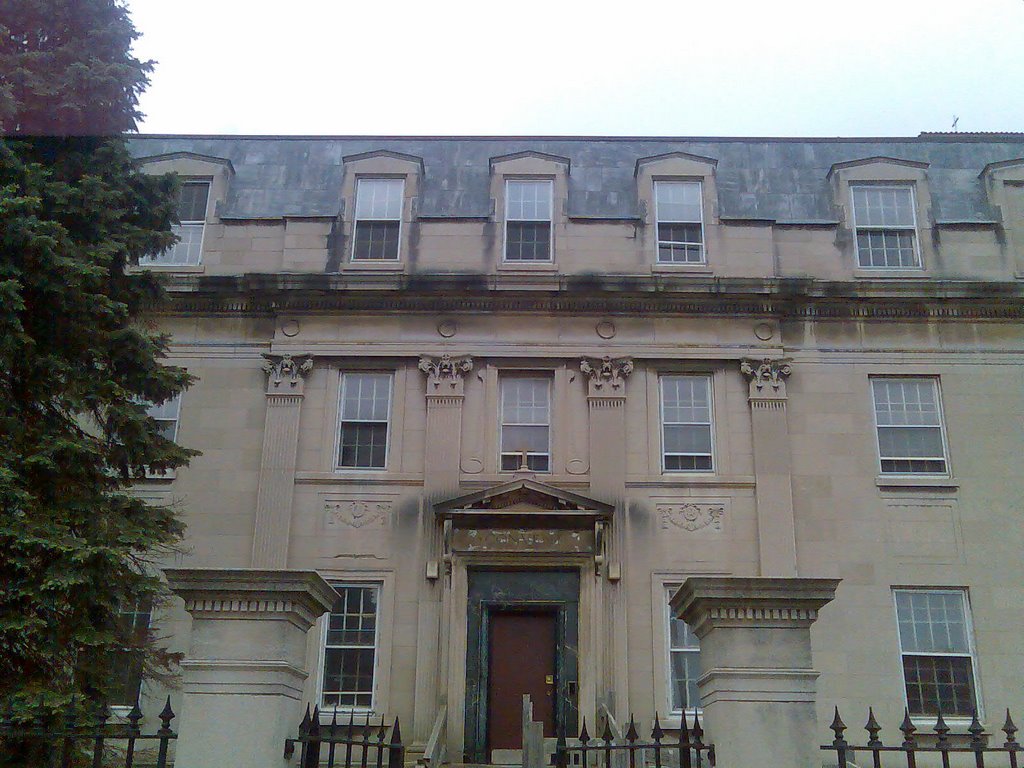
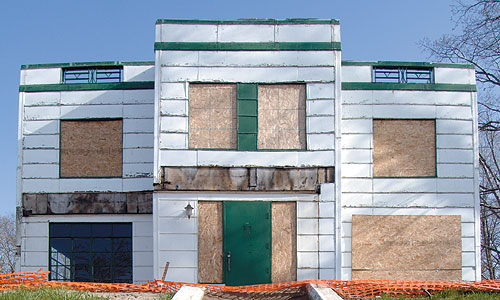
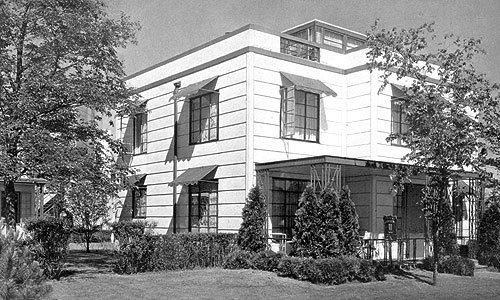
The Chicago Reader has a pleasant, if generally wrong, feature article about the modernist houses concocted for the 1933 Chicago World's Fair. The houses were constructed at Beverly Shores, Indiana to promote a resort development, that never really took off. The article is nicely documented, if overly complementary to the transient style of modernism.

The 1892 Worlds Fair produced the Spanish Pavillion, now La Rabida Hospital also pictured here, makes for a much finer presentation along Lake Michigan. I will take a current picture next time I am on the South Shore.

Wednesday, July 05, 2006

Did Burnham say "Make Middling Muddled Plans"?


No question about it, Betram Goodhue's 1918 Rockerfeller Chapel is a masterpiece of stone and concrete on Chicago's South Side. So today's announcement in the Tribune that Conrad Schmitt has been hired to restore Lee Lawrie and Ulric Ellerhausen's "sculptures" of St. Paul and St. Francis sounds like a splendid project, if that was what was actually happening.

But the sculptures are not being restored. The plaster models for sculptures are being re-stucktogether and displayed at eye level, so that visitors can get a better look at them. This isn't the worst news I have ever read. It is also a rather bland project for a major institution and a major source of funds in architectural restoration and preservation.

Take a look at the archaic chapel website. Minimal photos, javascript errors, inaccurate opening times, and a 6 month old newsletter, all indicative of the lack of maintenance and attention to inaccurate details symptomatic of a broken system. Visit the chapel, and note that deferred maintenance, inappropriate displays, and broken masonry are not only Catholic illnesses.

How to do this better? Well, what about actually sculpting the missing LIMESTONE figures, and getting them displayed as Goodham wanted? Sure, lets see the models, but finish the project as a first priority, given the 80 year lag between design and display. After all, shouldn't we get to see a sculpture of Martin Luther standing across from a sacred rendering of Woodrow Wilson? How about Rockerfeller nemisis Teddy Roosevelt staring down St. Augustine? And how about at least one COLOR photo where the camera is steady of the interior of the grand Chapel?

I will give U of C 1 point for keeping the doors open, and displaying the artists craft. But given the nearly unlimited resources of the University, let's make some bigger plans.

Tuesday, June 27, 2006

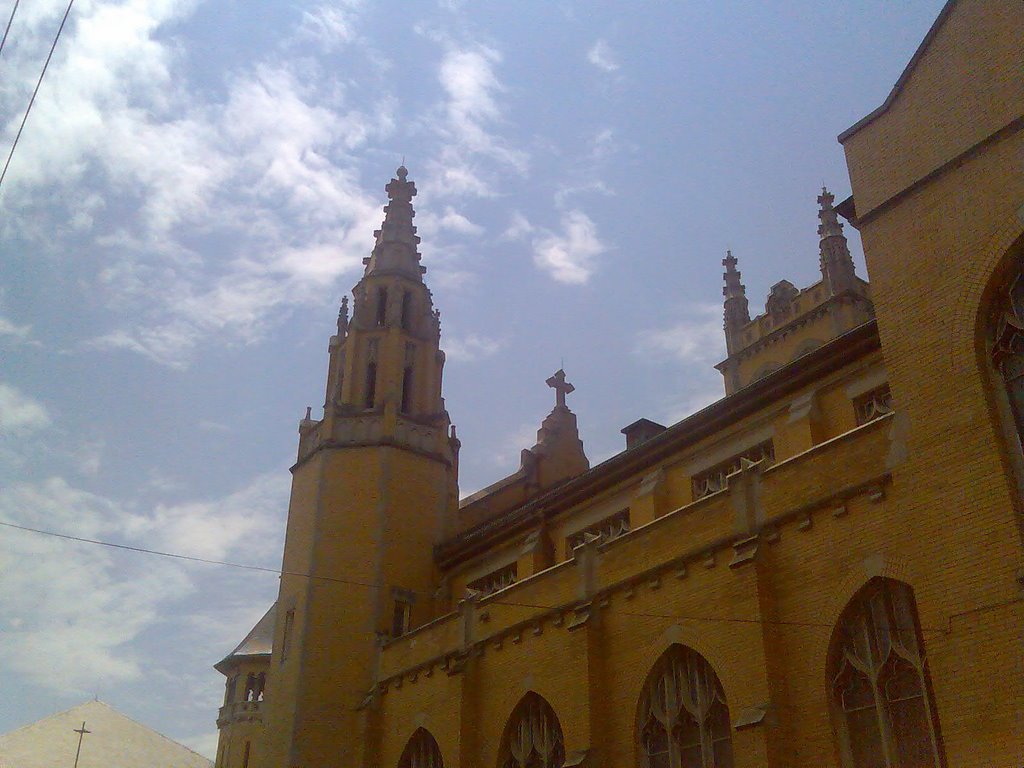
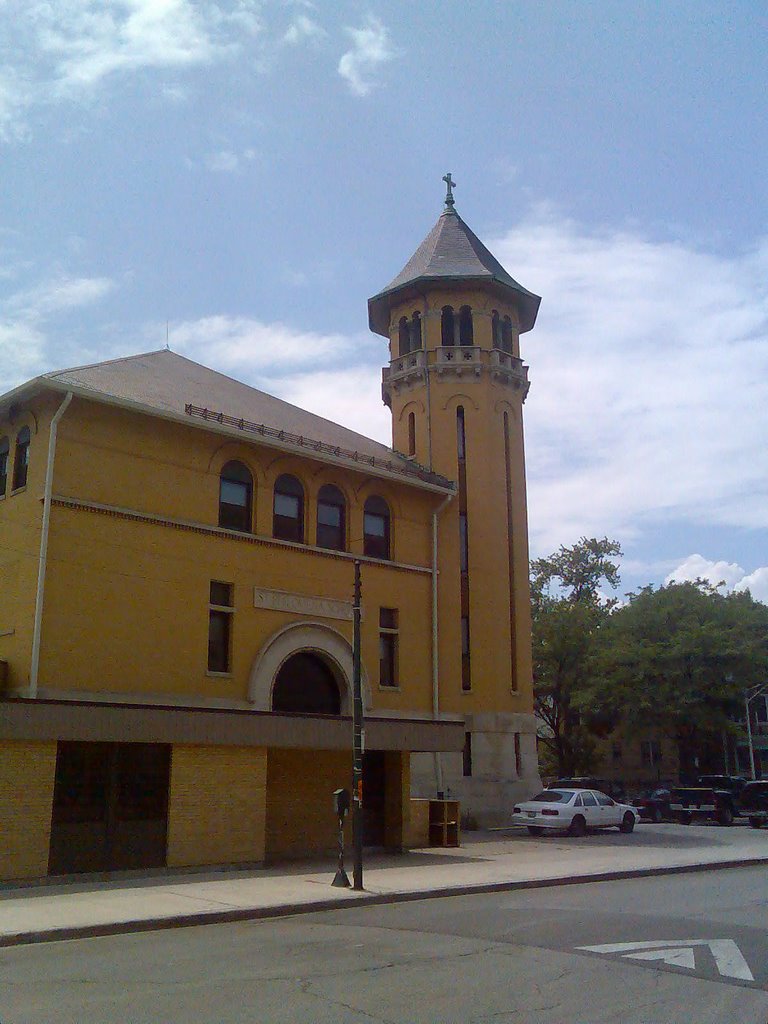
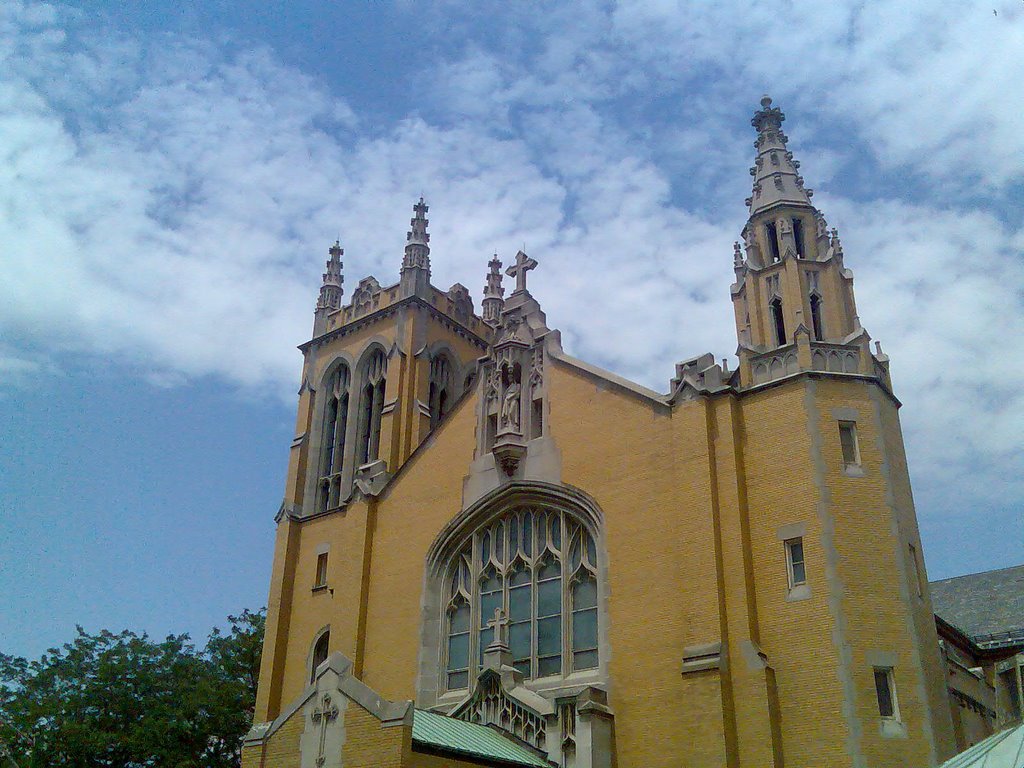
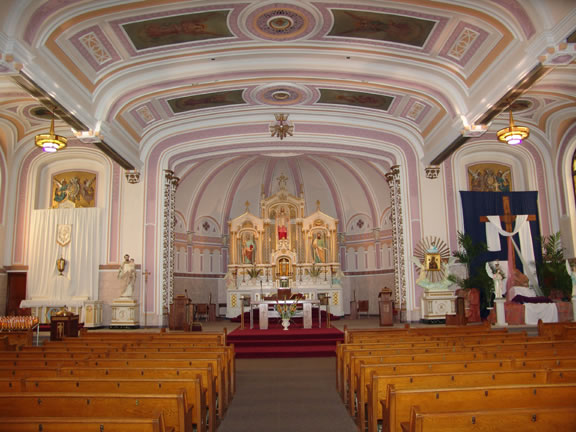
Open! St. Philomena


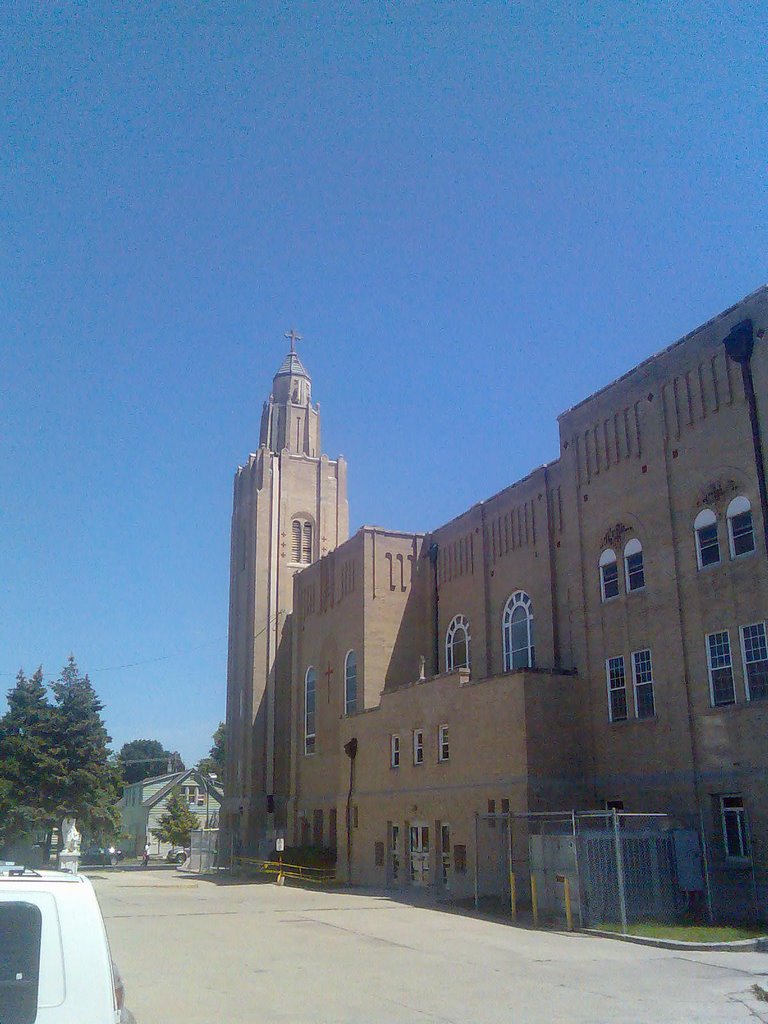
St. Philomena at 1921 N. Kevdale in Chicago was open for visitors and Eucharistic Adoration on a visit this afternoon. Thanks to Fr. O'Meara for a splendid tour.

Fr. O'Meara explained an unfortunate fire which destroyed the old high altar, leaving the church with a modern altar area, which he charitably relateded as "some have described as not contemporary with the rest of the church" An understatement indeed.

The Eucharistic Adoration Chapel is conveniently open to anyone using a Jewel (Grocery) coupon card, while the Parish School is a matching beauty with the splendid exterior of St. Philomena's Parish.

Monday, June 19, 2006

Stop a Church Closing - Help Save St. Vincent's!

The historic New York parish of St. Vincent de Paul down in Chelsea (116 West 24th Street) is facing closure. A recent article in The New York Times focused on the parish's small but vibrant Francophone congregants, but there's a lot more to the story than the church's monthly French Mass.

What the story doesn't say is there is a determined group of laymen who hope to save the parish by bringing a new focus to the parish's mission. While not forgetting the church's special mission to French, Haitian and Francophone African emigrants in Manhattan, these men and women hope to emulate the examples of other parishes such as the Tridentine revival of Chicago's St. John Cantius and St. Gelasius, Opus Dei's work at St. Mary of the Angels, and the work of a number of other urban religious orders in places such as Wilmington. They have thus an interest in inviting to take over the care of the parish either an order not unlike the Institute of Christ the King; like the historically French Vincentians--who have no presence in New York yet; or Opus Dei, already close by at Murray Hill but lacking a parish as such.

The logic of the archdiocese in ordering the parish closed, possibly as early as the end of the month, is dwindling attendance. However, a revitalized St. Vincent's has the potential to be a witness to gentrifying urban professionals and Bohemian artists in a neighborhood increasingly influenced by sex, secularism, and a new age mentality verging on the pagan.

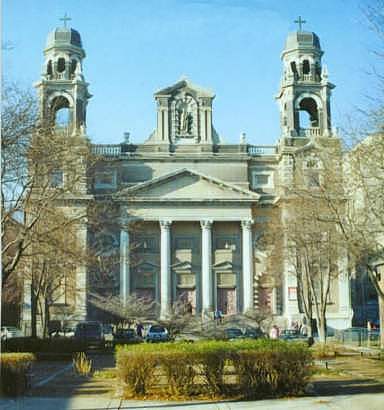
Given the cultural ministry offered by Tridentine orders, or the popularity of Opus Dei among youth looking for structure in a structureless world, such a parish could be a true beacon to the neighborhood and the island as a whole. (Mass would presumably continue in French, though that is part of a much larger picture, even now.) Of course, taking on a parish is a major undertaking for any order, whether small or large. It seems to me that perhaps the parish could be closed for a time, with the potential to be re-opened soon, while funding is undertaken. That being said, unlike St. Mary of the Angels or St. John Cantius, St. Vincent's is still in good working order, a noble structure not unlike La Madeleine in Paris. One hopes that it might become as glorious a beacon as the example of its equally Parisian namesake, the great St. Vincent.

How can you help? At this point, just spread the word. One of the most important things (especially in the case of a Tridentine or otherwise traditionally-oriented parish) is to show that there is a constituency in New York for such things. Chicago has shown that two full-blown Tridentine congregations are capable of existing within the same city. New York does not even have one full-time parish--only the Sunday mass at St. Agnes, and no Latin masses during the week.

The issue, however, is not just Tridentine. The witness of Opus Dei or some other tradition-minded order could prove just as vital to the parish's survival and as a witness for orthodoxy in the neighborhood. St. Vincent's, under the care of any good religious order, would continue to be a presence in a neighborhood with great potential; after all, that the decline of the great urban parishes certainly has done much to change the religious face of the inner city, and will continue to as suburbanites return to the urban core, and find shuttered churches there.

Please write to Mr. Richard Sawicki at rmsawicki@hotmail.com, or to me, if you have anything to say about these plans. I'm not asking for much, just an expression of interest in such a project, or that you might avail yourself of such a parish's services and programs, which have the potential to be virtually unique among New York's numerous parish churches.
Tuesday, June 13, 2006

Open! The Vaults at St. Stans


You might ask why were some churches included in Heavenly City and others were not. The answers are complex, not fixed on any one criteria, and sometimes, it was too far to drive to a Church at the end of the day and make it to the photo lab to see the proofs for the next morning.

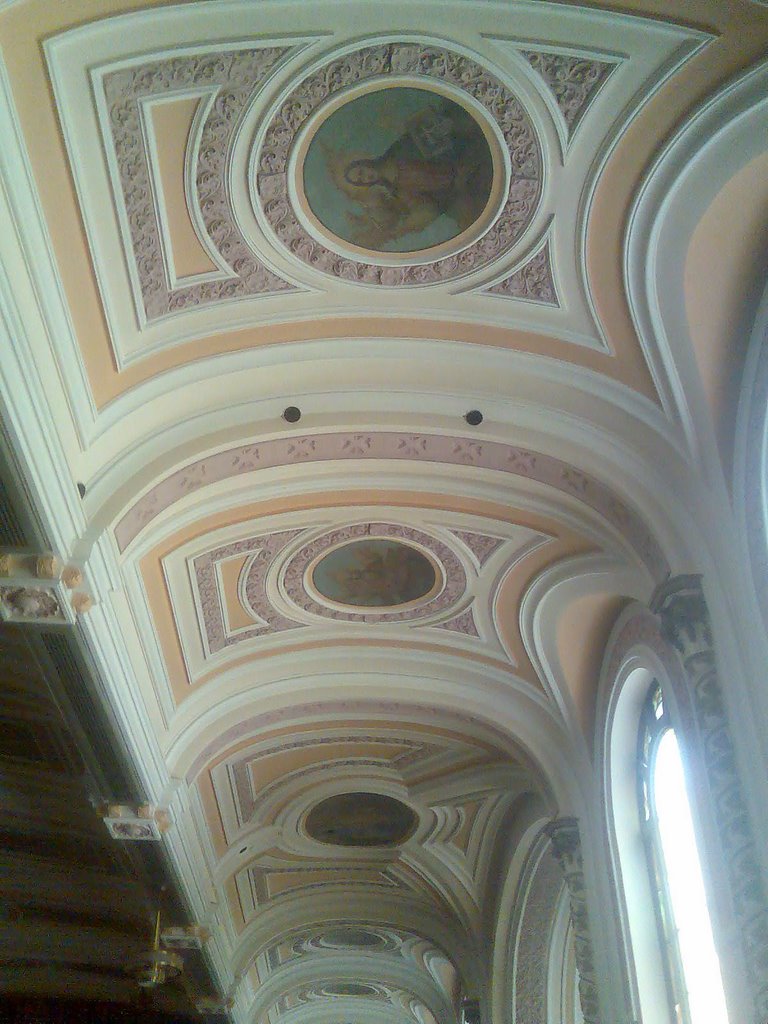
St. Stanislaus Bishop and Martyr on Chicago's far west side (Near Grand and Central, at 5352 W. Belden Ave), is a whale of a drive, and makes a good case for a second book of Chicago Churches. The ceiling is terrific, with a low slung barrell vault, unique in Chicago Churches (though looking a bit like the Palmer House). Dramatic statues, excellent condition, vivid colors (violet no less) and most importantly, an Open Door when I rang at the rectory, with a helpful parish worker named Ida who guided me through the Church.

Still holding Polish Language Mass, since 1893, this St. Stans (as well as the older one on the near Northwest side) is going strong, and very active per its bulletin. Air conditioning is being installed in the Church, if you have the ability to send a donation to cool the parishoners.

Saturday, June 10, 2006

New Shrine Going Up or Why You Should Hire a Trained Classicist

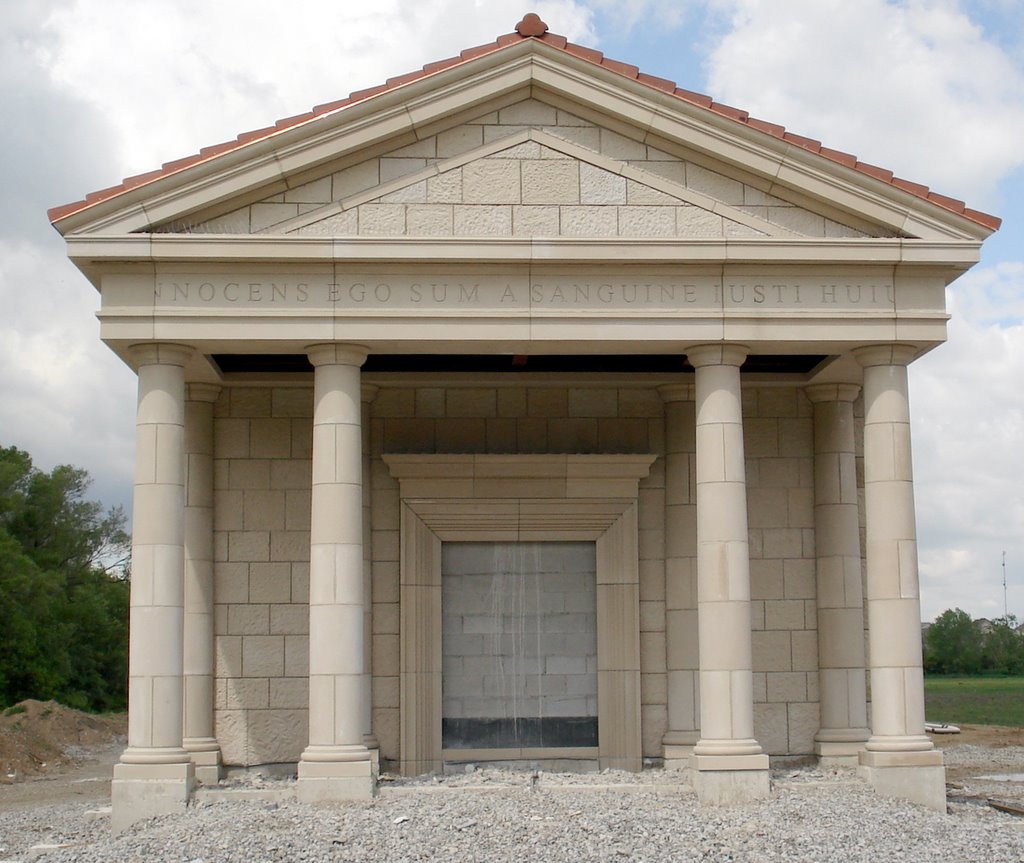
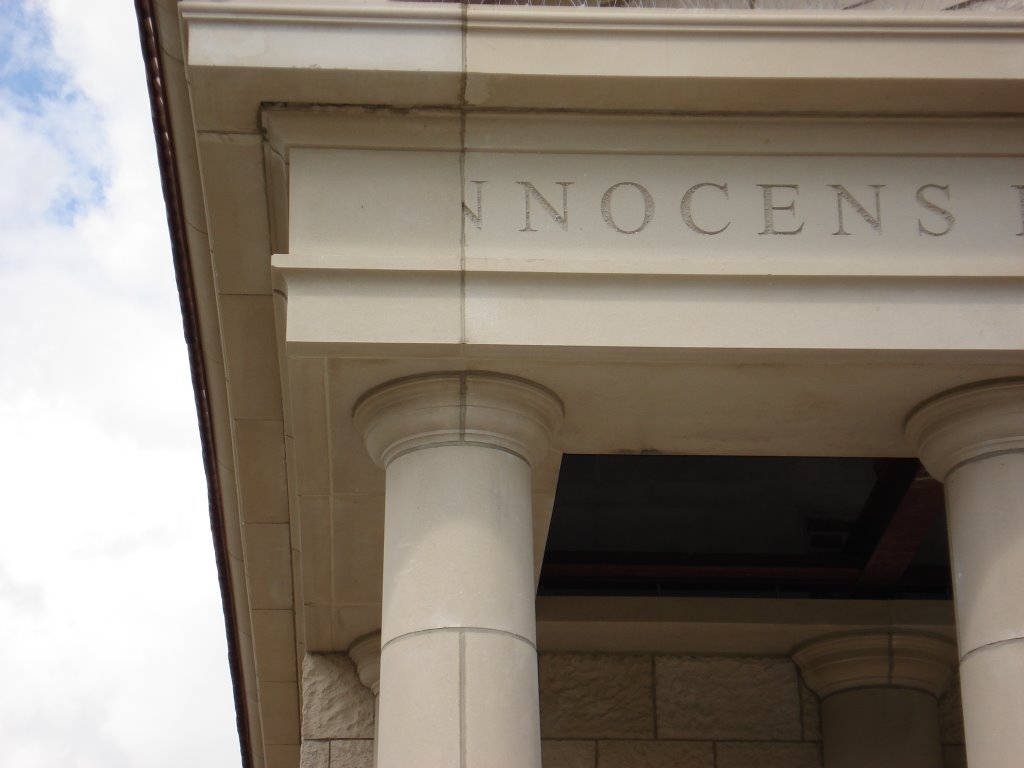
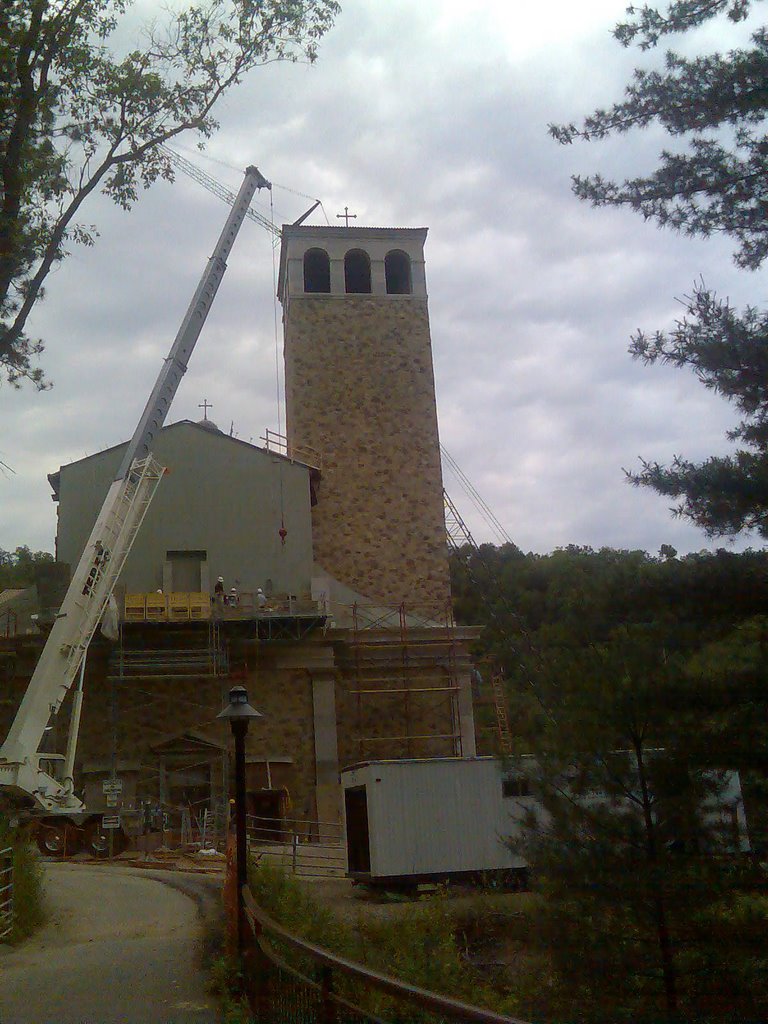
Driving south in Indiana from Hammond to Evansville on Route 41 I ran across this little stone temple being built very close to a shrine of Our Lady. The inscription reads "Innocens ego sum a sanguine justi huius," the words of Pilate: "I am innocent of the blood of this just man." My first thought was that it was a memorial to those killed my abortion, but it seemed like an odd inscription. Does anyone know what this little building will be?

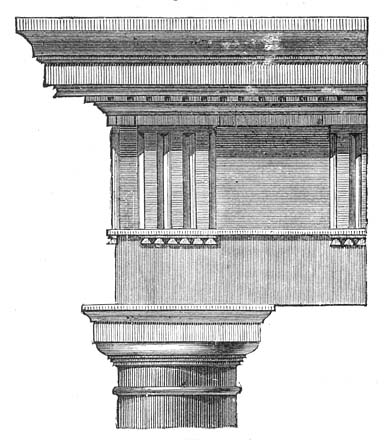
The building also serves as a good lesson why someone who wants to build a classical building should hire someone who knows what they're doing when using the classical vocabulary. Even though the intentions appear to be good, it is evident that the designer had little to no idea how to put columns and entablature together. The seams on the capital (!) line up with seams on the entablature. Also, the columns, which are too thin and spaced incorrectly, are missing their abaci, and its placement inside the edge of the entablautre is not right. The molding profiles are imagined rather than canonical and others are missing. The building is being built of real quarried stone, but its being squandered by an architect who is trying hard, but doesn't know how to do it correctly. If you're doing classical, hire a trained classicist!
La Crosse Pilgrimage


La Crosse, Wisconsin is the site of the new Shrine of Our Lady of Guadalupe the massive, splendid Marian Shrine adorning a picturesque hillside on the East Bank of the Mississippi River.

This is the one of the largest and most beautiful building projects in Catholic Archtecture. Our great friend, and the leader of the Restoration of The Sacred, Professor Duncan Stroik, is leading the design of the Shrine. Three Cheers!
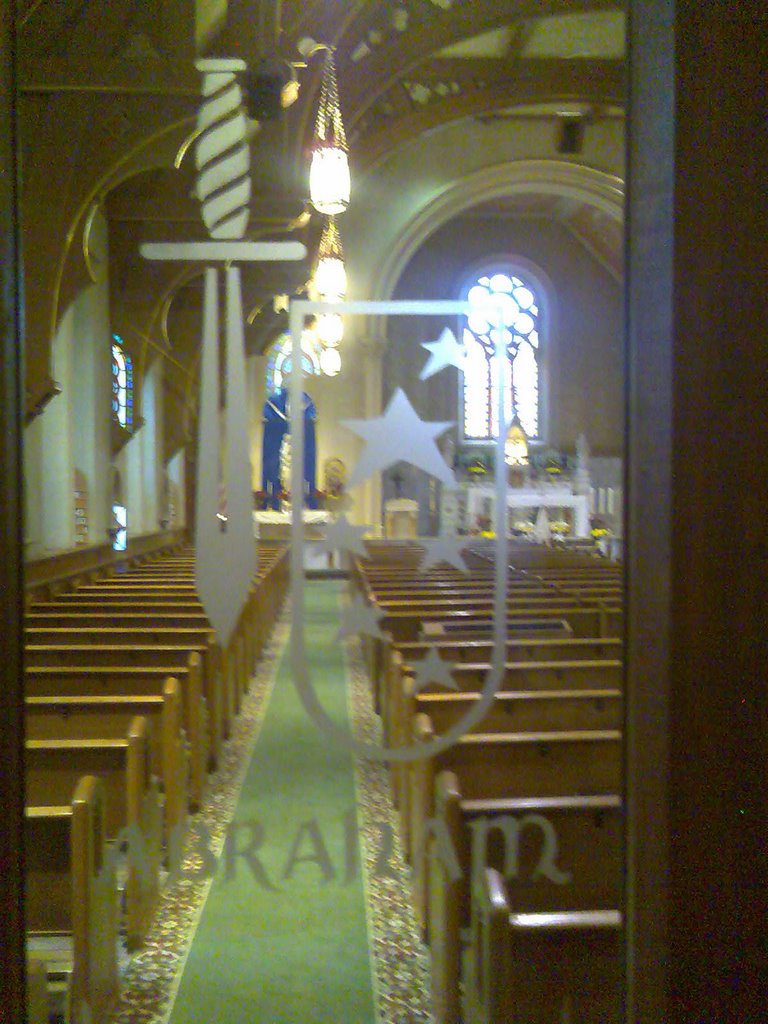
The visitor center is open, the Chapel to Our Lady of Good Counsel is open, the Meditation Trail is open, the Walking Stations of the Cross are open, the excellent Culina Mariana restaurant is open, the Marygarden will open soon.

Congrats to Bishop Listecki, and thanks to Archbishop Burke, Sister Christa Marie, F.S.G.M, and Chris Carstens from the Diocese of La Crosse for hosting the Society of St. Barbara. A Shrine this grand will be a great center for devotion to Our Lady.

Thursday, June 08, 2006

Pallazo Barberini becomes Feehan Library

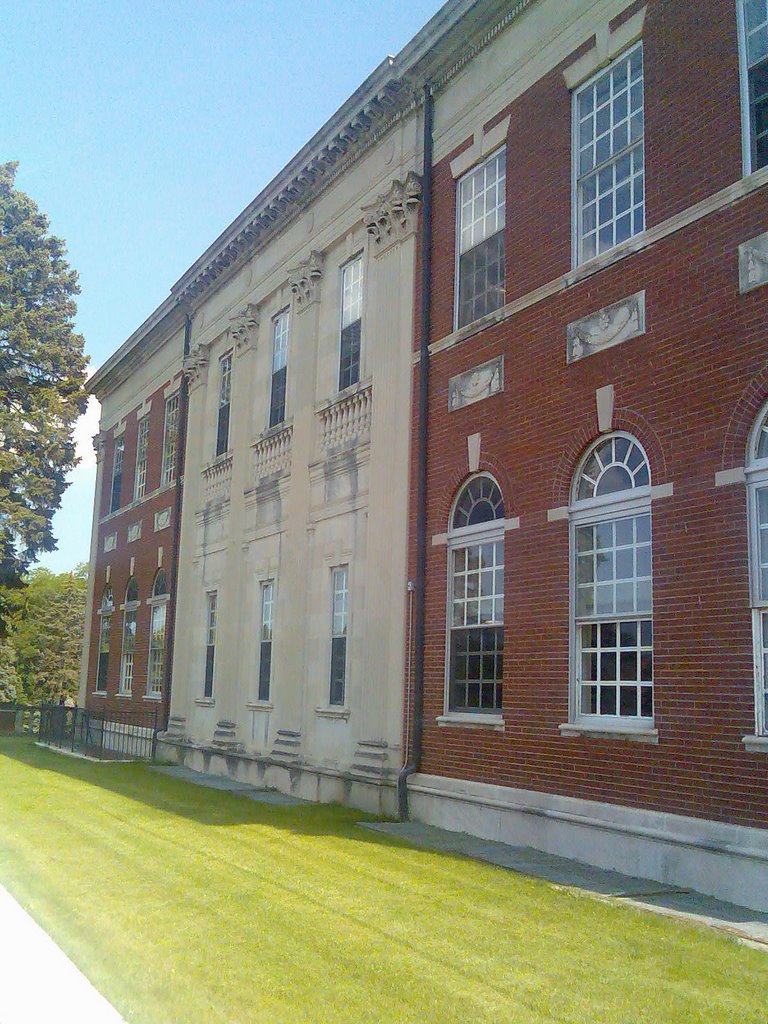
Uno dei più importanti e sontuosi palazzi della nobiltà romana. Iniziato da Carlo Maderno nel 1625 per volontà di papa Barberini, e continuato poi dal Borromini e infine dal Bernini che lo condusse a termine nel 1633, then reconstructed in 1929 as the Feehan Libray at the University of St Mary's of the Lake at Mundelein Seminary, in Mundelein Illinois. The exterior? American Colonial. The interior, Roman Piazza, in the true style of an American Roman Catholic, Cardinal George Mundelein, and his favorite archtiect, Joseph McCarthy. All these shots from a photo-shoot today with Robert McKendrick at the library. And as you will appreciate, McKendrick is a much better photgrapher than I am.

Here is a shot of the rear of the building

And the marvelous ceiling.
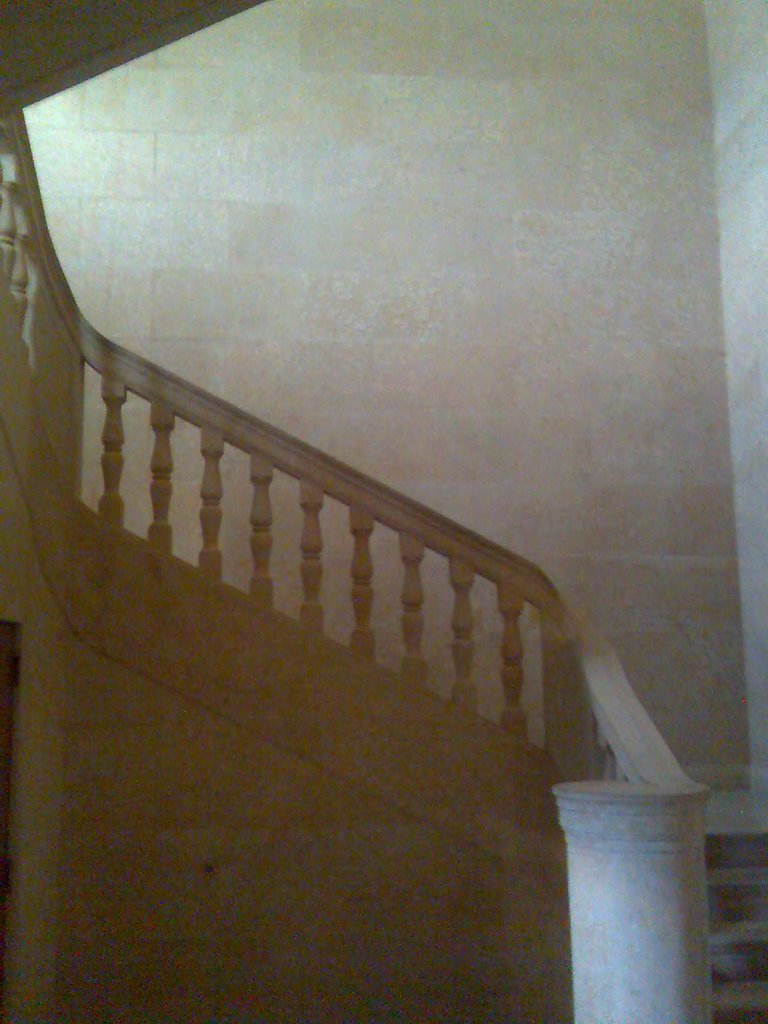
With a Palatial Staircase

Tuesday, June 06, 2006

Modern Yet Traditional

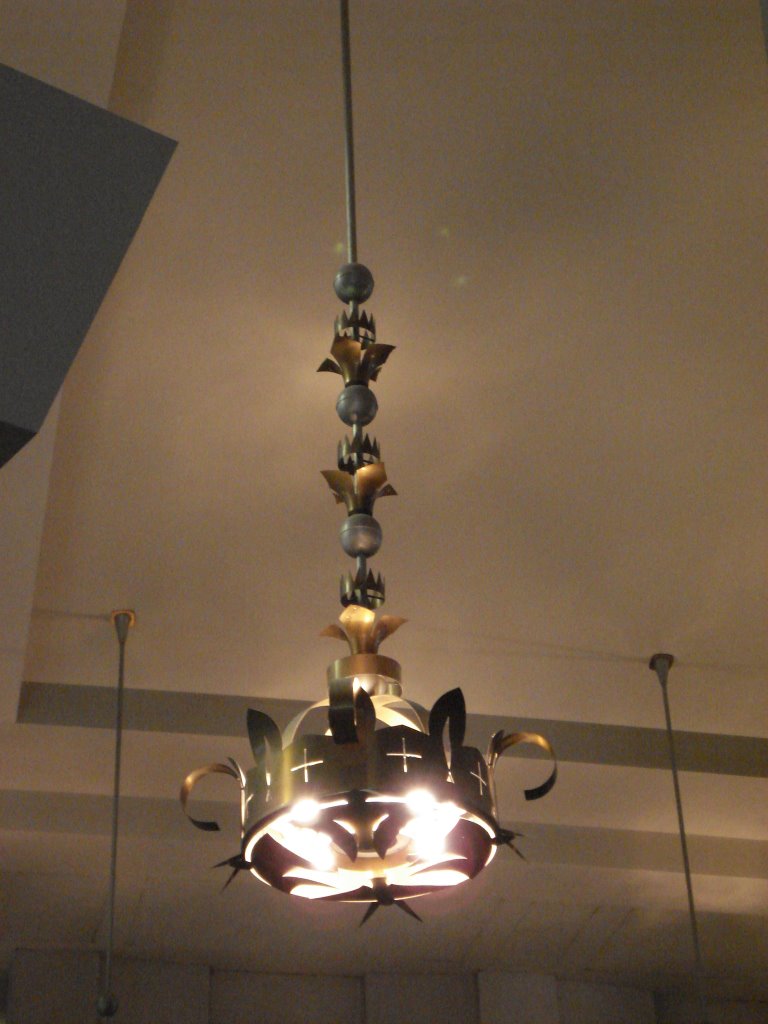
I recently visited the Cathedral of Christ the King in Lexington, Kentucky, designed in the early 60s by Cincinnati architect Edward Schulte. Schulte is often considered too traditional for the Modernists and too modern for the traditionalists, but his work bridges a period in American church architecture which was often filled with unchurchly design in the name of modernity. As a young man, Schulte was a theater architect, but heard a lecture by church architect Ralph Adams Cram and gave his life to church design. Starting in the 1920s with very traditional Gothic work, Schulte eventually developed his own style, incorporating modernity without giving up theological content. Most of his work is in the Cincinnati and Covington area, but his churches appear in Chicago, Phoenix, Dallas and Iowa. He also designed the cathedrals for LaCrosse, Wisconsin and Salina, Kansas. Schulte insisted on custom designed appointments with theological significance, like the rail of the St. Joseph shrine shown here which combines the lily and the carpenter's square into the design. His materials were always of high quality, and no detail was left undesigned, including the holy water fonts and lights filled the crown imagery relevant to the church's dedication. He was also very conscious to include figural imagery of angels and saints in prominent places, always emphasizing the heavenly beings mystically present at the liturgy. Schulte's work reads today as something os a "period piece," but the quality of the design, craft and appointments is incredibly high. Schulte is an architect who can teach many lessons in carfeul design and craftsmanship to today's architects. He died in the late 60s and left behind an unpublished autobiography called "The Lord Was My Client."

Score 1 for Wilmette


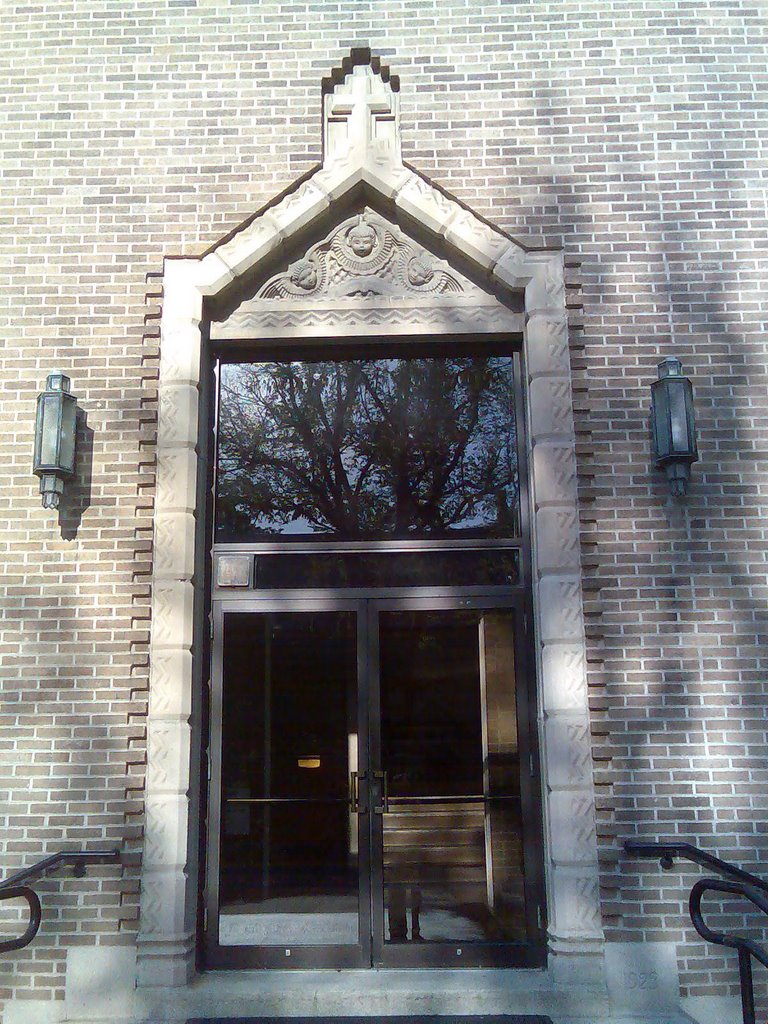
Another walk around Wilmette, and (Trumpets Sound!) a Church was open. St. Francis Xavier had an open front door, dim lights, and bright altars, highlighting Joseph McCarthy's low slung beauty and the built version of the Sacred Liturgy. If you happen to be at 8th and Linden in Wilmette, come in for a visit and don't forget to take a gander at the Parish School next door.

Barry Byrne's Granadan Square structure highlights some awesome brickwork, and a level of attention to detail sadly missing in the modern school next door. I include a few shots of the St. Francis Xavier Parish School, and point you to a fine site about the brilliant Barry Byrne. Note that the School looks quite a bit like St. Patrick's in Racine, Wisconsin, also a Brick Masterpiece.

http://turnerscross.com/church/barry_byrne/

Monday, June 05, 2006

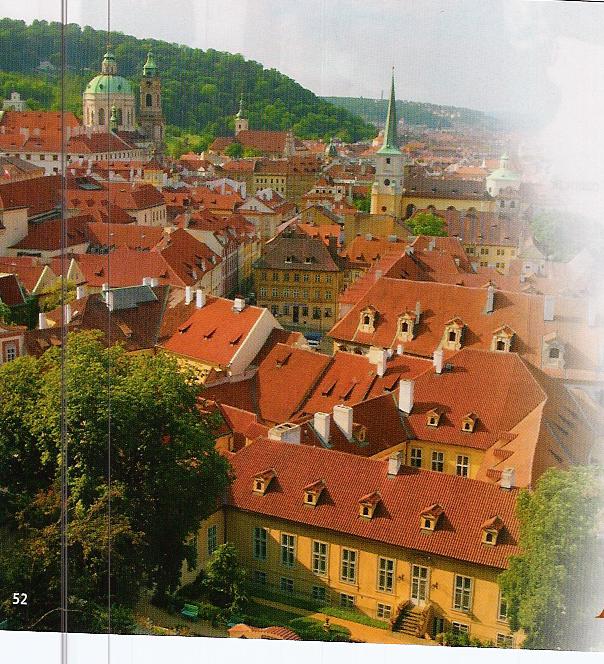
What city is this?


Pulled this photo from a Magellan's catalog I recently received. Very pleasant looking hillside town, red clay tile roofs, consistent architecture, majestic dome and clocktower combination, but no identifier other than the odd label on the bus.

Do you know what town this is? Looks Italian, but could be pretty much anywhere. Two points if you know where this is.

Tuesday, May 30, 2006

Baron Haussmann's Avenue de la Grande Armée?


The Bourgeoisification of Paris culminated in Baron Haussmann's renovation of the city, building a signature three story, such as the one shown here.

Except the one shown here is at the convent at Our Lady of Peace, on Chicago's South Shore, which is much more beautiful than Paris, because of the unobstructed views of Lake Michigan (ignoring the bus stop in front of Our Lady, please)

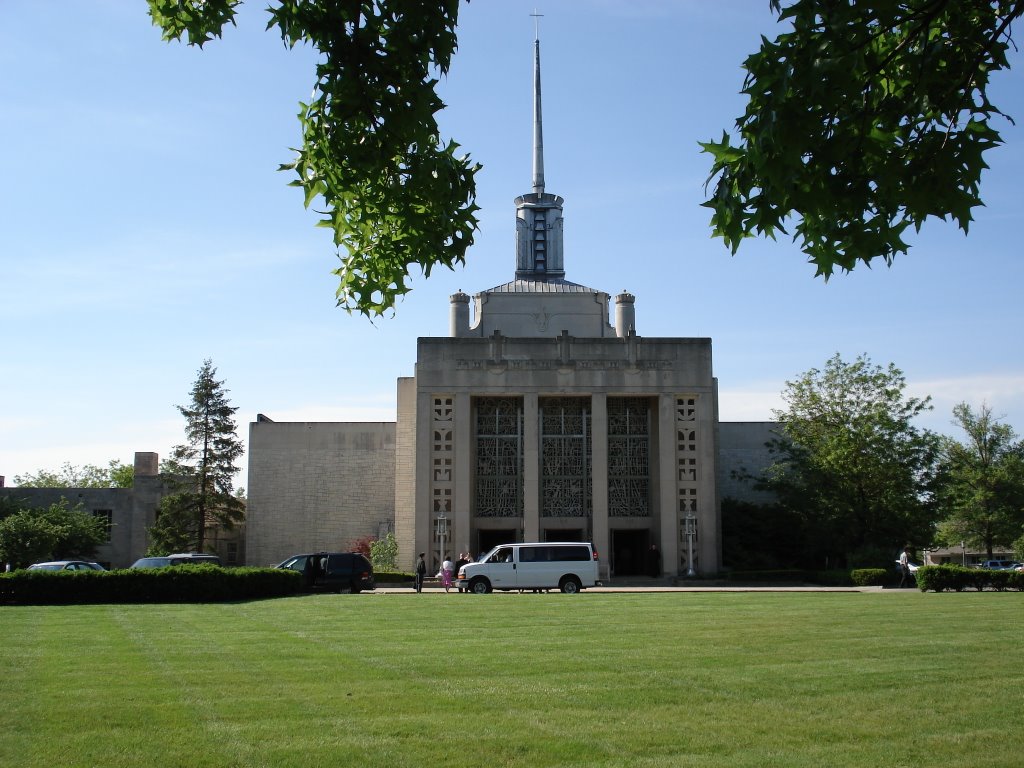
Joseph McCarthy's Our Lady of Peace, "The Blue Church", championed by none other than Loyola University's renowned Professor Frank Covey Jr., is a sublime testimonial to the quest for Peace following WWI.

Monday, May 22, 2006

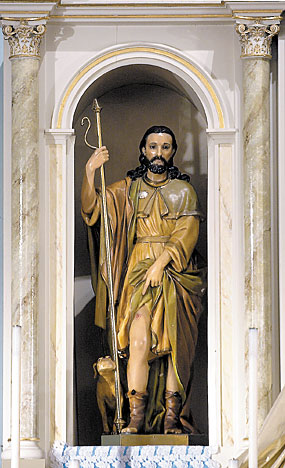
St. Rocco di Simbario


The Feast of St. Rocco each year on the second Sunday of August at the former Santa Maria Incoronata, now St. Therese Chinese Catholic Mission in Chinatown. The Suntimes had some good pictures today from the Church. (Ignore the unflattering story please)

Friday, May 19, 2006

Pop a Cork! Depression is over. Big win for the Home Team.


Heavenly City has won the prestigious Benjamin Franklin award given by the Independent Book Publishers Association. Congrats Denis and James, and also to our publisher LTP and the Archdiocese of Chicago.


To celebrate, I publish one of the unprinted proofs that we used to frame up the project. Makes you glad Jame Morris did the final photography, eh?

Tuesday, May 16, 2006

Depression hits Wilmette


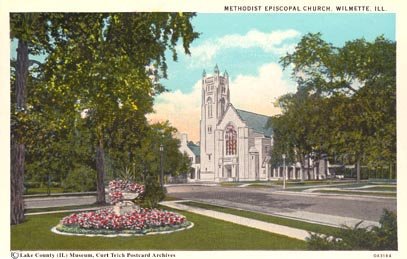
To add company to Denis Mc's misery in Steubenville, while walking around central Wilmette this afternoon, I decided to call on every church I walked by, and take some interior photographs. There are some Prairie Beauties, The Community Church of Wilmette and First Congregational; a Gothic Masterpiece (most likely Joseph McCarthy's) High Anglican Styled, Trinity United Methodist (pictured above right), and the English Country Episcopalian St. Augustine's (pictured above left).

None of these are open.

None of them answered the door when I rang.

This is perhaps the least likely village in America for a homeless person to wander around, and the doors are locked tight.

The community is loaded with loot, the churches are masterpieces, and they are absolutely NOT open to the public. So much for the redeeming nature of a church.

I am contemplating a call to (the very Anglican) Andrew Lloyd Weber to ask the Open Churches Trust to prod the Protestants in Wilmette to get their church doors open. I predict an answer along the lines of "tell those heretics to open up and accept Christ". Will keep you informed.

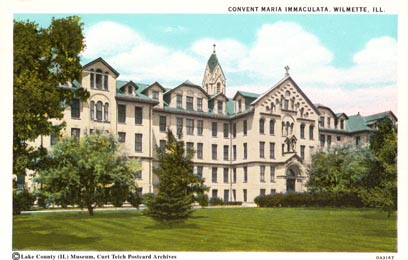
To add to the universally depressing nature of my post, the Wilmette Catholics are also flunking at ministering to the public; I just picked today to visit our brother churches. Here is one currently very sad Wilmette convent, in its Glory Days. Perhaps Lord Lloyd Weber can give the Jesuits a rap on the knuckles while he is at it.


New Cathedral for Steubenville


The Diocese of Steubenville, Ohio has announced the selection of architects for its new cathedral which will be formed out of five closing parishes. After interviewing several firms including Franck, Lohsen, McCrery of Washington, DC, the diocese chose the local firm of Meacham and Apel. The firm has done a good amount of work in the area, particularly in retail and industrial design as well as several churches. A detail of one of their Episcopal churches is shown here. Though plans of the proposed catehdral have not yet been released, the programmatic requirements have been released.

It is sad to see that another major cathedral commission is going to turn out to be a mediocre project. From what I am told, the architects have a good track record and are known for being very professional. It is evident, though, from the work on their web site, that they don't really understand traditional architecture very well, though their buildings do give a suggestion of the tradition at a quick glance. Their architecture is quite deficient in terms of real traditional work, being a skin-deep pastiche of pasted on moldings which lack traditional structural logic and proper knowledge of profiles. It is difficult to imagine that they will suddenly develop some more design skill before they release the cathedral designs. With so many really talented traditional architects out there, it is a shame to see that the building commission settled for less than they should have.

Another mediocre design firm, another lost opportunity.

Holy Trinity Frescoes


Holy Trinity has restored the magnificent fresco behind the altar. The previous eggyolk is nowehre to be seen, instead a quite wonderful lirtugical scene. Holy Trinity has also added beautiful brass domes to its stunning towers.

Next time you are driving down the I90-94, bless yourself with a visit to this Polish Beauty.

Monday, May 15, 2006

The Churches and Chapels of Kenosha


In an occassional series, coinciding with the summer season in (the home of Orson Welles) Kenosha, Wisconsin, I will post a pictoral description of different churches in the "Peoria of Lake Michigan", Kenosha. Er, is that a compliment? Well, yes, from an Architectural and Cultural sense, Kenosha is very beautiful (so is Peoria). While the mainstream press is still pounding away at the rust belt with 30 year old information, Kenosha has virtually no unemployement, a beautiful lakefront development, good schools, and a growing population.

Yesterday, I went to mass at St. James the Apostle, founded in 1882. Wonderful marketing here,
"If you are searching for a modern liberal parish with dancers, clowns and balloons, look elsewhere"
"You are entering the house of the Lord. Please no beach attire, flip flops, or bathing suits"

draws a full house on Saturday Vigil and Sunday Mass, by not bending to those demanding a light touch from the Church.

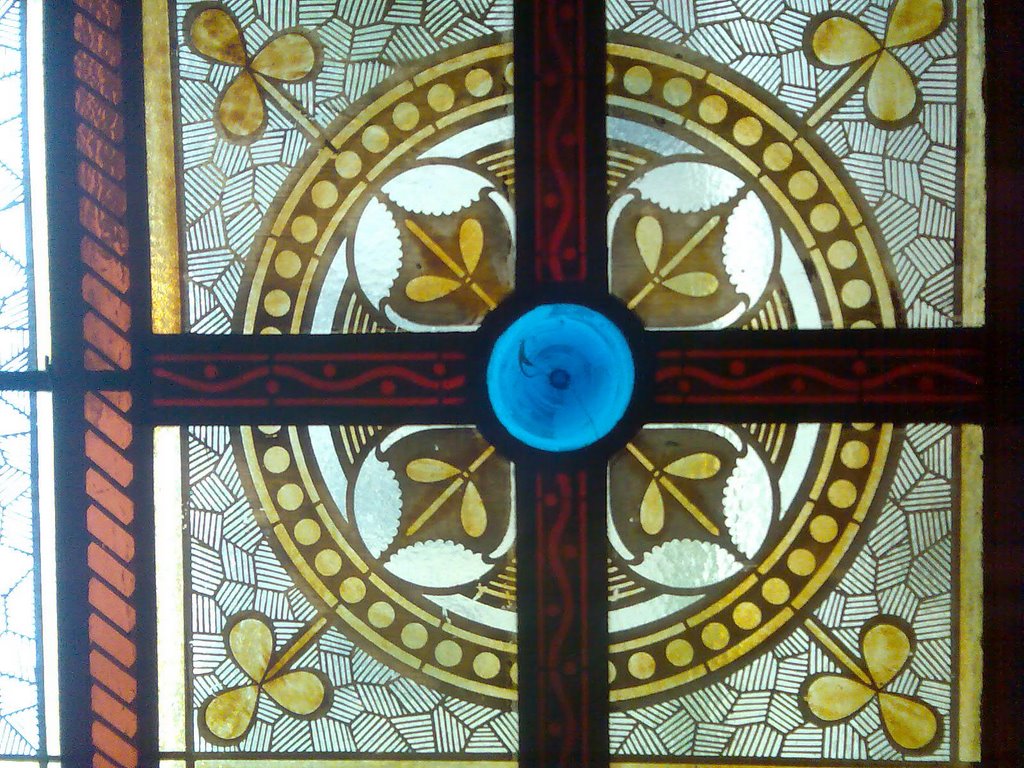
The Church interior reatains its communion rail, statuary, high altar, and many of its sermons from the days before Vatican II. The stained glass looks very much like a stylish Ralph Lauren display, with unique but traditional fonts and geometric representations. I noted the Christian Shamrock in many windows honoring Irish people and causes. The congregation tends to kneel and stand at different times, which the priest accomodates with true liberal Catholicism.

If you are anywhere in the Chicago area, this is worth the trip. Outside of the Latin Mass, this is one of the most traditional Churhes in the Midwest.

Friday, May 12, 2006

Anglican Use Conference, June 5-6, 2006

If anyone out there in the blogosphere will be in Scranton in early June, be sure to drop in on the second annual Anglican Use Conference being put on by the national Anglican Use Society and the local, St. Thomas More Society of St. Clare Parish, Scranton. And be sure to say hi to me, as I'll be there, too.

For those of you new to the blog, the Anglican Use Society promotes the Pastoral Provision, a papally-approved canonical process (John Paul tested, John Paul approved) by which former Episcopalian parishes can be brought over en masse to Rome while preserving the legitimate diversity of their liturgical traditions. For that matter, it also has the additional luster of being the only form of the Roman Rite currently in use which has a decent English translation.

I'm actually one of the speakers. I will be giving a presentation on my penultimate project as a Notre Dame architecture student, a hypothetical design for an Anglican Use city parish in Chicago, in a manner which squares with the conference's theme, "Conversion to Catholicism." I hope to discuss in particular the way the building symbolically points back to the Anglican Use's mingled Roman and English roots.

While I'm not listed yet on the schedule--there was a last-minute re-shuffle--you can have a gander at the rest of the the rest of the speakers at the Society's website. I'll be presenting the evening of Monday the 5th, 7 PM. The slot before Cardinal Dulles. I'm not boasting--it's just the way things worked out. It's a great honor--and a little daunting, too. I guess that makes me the warm-up act for the Cardinal. It's just a relief I'm not coming after him!

Thursday, May 11, 2006

The ICRSP Strikes Again!


The supremely awesome (to use the canonical term) new bishop of Kansas City, Robert Finn, has recently re-opened Kansas City's shuttered oldest church as a special Latin Mass parish. With himself as pastor and none other than the priests of the Institute of Christ the King as the staff. As is their typical practice, the Institute's taking on a bit of a white elephant as the church needs a fair amount of renovation (I think the building's not open yet, and masses are being held at a neighboring parish), but knowing them, they'll pull it off. Info on mass times and donations can be found here.

Wednesday, May 10, 2006

Beauty Returns in New Catholic Church

A new church is in the planning stages in Leawood, Kansas which embraces the best of the Catholic tradition and yet is very much a church of today. St. Michael the Archangel Church is being designed by David Meleca of Meleca Architects of Columbus, Ohio in association with liturgical and theological consultant Denis McNamara of the Liturgical Institute at Mundelein Seminary. The new church will seat about 1400 people at maximum occupancy and will provide small chapels for private prayer, a choir loft, a large narthex and an octagonal baptistery. The design is in its final stages of development and groundbreaking is expected in the spring of 2007.

It may sound like a Restaurant


But, it keeps getting nominated for Book Awards. "Heavenly City" has been nominated for a Midwest Book Award. I am completely biassed in its favor, but for an independent publisher, such as LTP, this is one slick book. It does not look like a brochure you find at a tourist site, rather a grand celebration of artistic and architectural tradition.

Richard John Neuhaus likes it too.

Quiz in the Loop


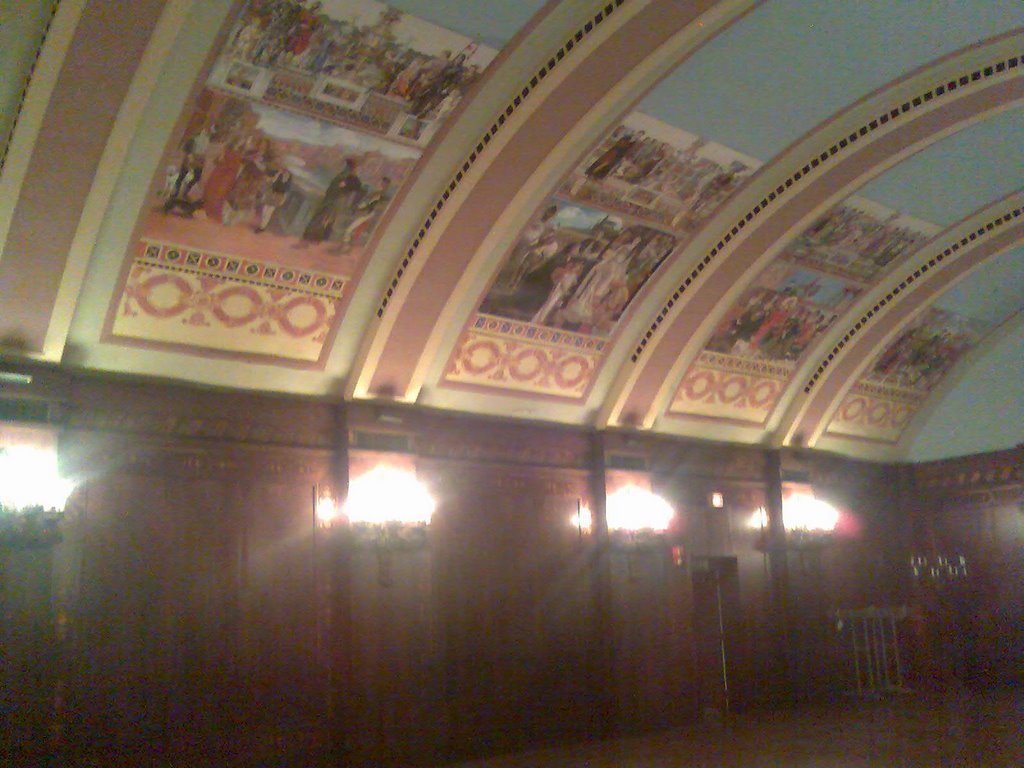
Here is a shot I took a few weeks back. It is within a public venue in the Loop. The room is a Prairie Gem, though with an Italian Fresco painted on the barrel vaulting.

It is strangely out of place in its setting. The setting has no shortage of great Chicago interiors. Now, if the place was dry inside, they might be around for another 100 years, but this place has buckets on the floor.

For a Hi-Res photo of a Great Chicago Church, identify this venue!

Nearly a fine photograph


Back to Bohemia, was cleaning my camera and came upon this shot. This is the crematorium at the Bohemian National Cemetery on a fine spring day.

Before you start thinking that John Powers is a good photographer, take note of Bob the caretaker leaning over in the background.