Thursday, September 14, 2006

An Aside on Gothic Deco

Originally Posted on The Shrine of the Holy Whapping

I recently visited the Cathedral of Mary Our Queen in Baltimore with the Sober Sophomore as my fearless tourguide, as well as checking out the the old neoclassical Basilica from the outside; it won't be re-opened until after they're finished re-Latrobizing its plesantly stoic interior. (My initial reaction is that it looks too clean and will probably be much more agreeable when twenty years of exhaust fumes have mellowed it a bit).


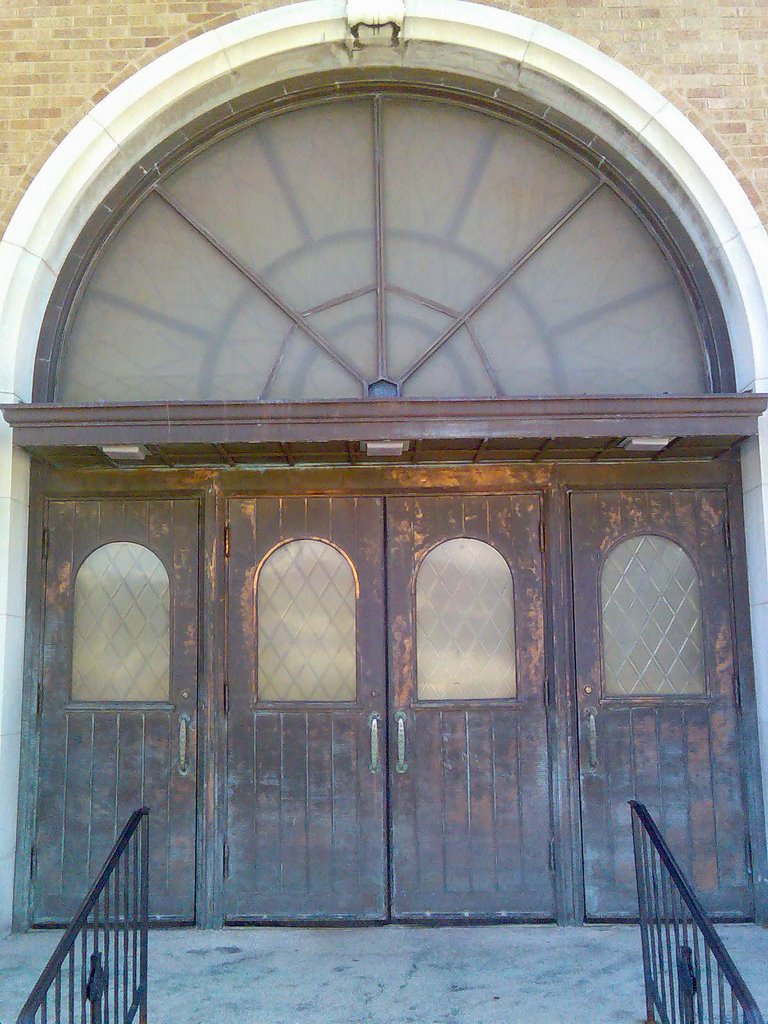
The tympanum of the front portal of Mary our Queen, Baltimore.

The new Cathedral is an example of a peculiar and once peculiarly popular style, a sort of hard-edged deco take on Gothic which has a way of turning up in odd corners of the U.S. It can vary from the sculptor merely giving a certain chilly Works Progress Administration look to the figures as at Atlanta Cathedral, or a full-blown and surprisingly stripped-down skyscraper aesthetic, like that at, of all places, the cathedral in bucolic La Crosse, Wisconsin. Sometimes, the effect is kitschy Busby Berkeley, but more often than not, it can be quite striking, if one gives it an honest chance.


Christ the King, Atlanta. A strangely small cathedral of a cold sort of gothic, but not without a certain appeal.

While not as satisfying to me as more ornate and historically-minded forms of less radical takes on Gothic, these projects are nonetheless worthy of our consideration, both as period pieces and also as a fascinating lesson in architectural design both pro and con. Chicago has a disproportionately large number of them, as well as deco-izing forays into Romanesque and other styles, and almost all manage to convince as pieces of appropriately well-balanced work, not dependent on novelty but very competent expansions of the tradition down various side-paths otherwise ignored today. It is a bit on the modern side (and that opens a whole other field of questions I've not yet examined), but it is by no stretch of the imagination modernist.

The high rise was a favorite structure to Gothicize at the turn of the last century, and some of that verticality crept into the funkier turns of some of the other takes on modernity--deco, streamline moderne, and various simplified forms of classicism--that have since ended up getting lost in the historical-architectural shuffle. Deco has always struck me as a modern style which fits in more clearly inside the classical tradition, considering its interest in an ornamental language and iconography, and an external expression more in keeping with the traditional past. And while art moderne curves and portholes can be overdone, they have a sort of intriguingly low-key sense of geometric invention which appeals to my baroque side.

At the very least, they're better than glass boxes, and not without a certain charm, even if a whole city block in that manner would undoubtedly overwhealm. In a sense, we can term the more historicizing turns of these styles as a sort of subconscious "classical survival," just as some have spoken of a "gothic survival" that ran under the radar in Renaissance and baroque days. Most architects of the time considered themselves very modern, no doubt, but the subsequent spectrum-skewing weirdness of Eisenmann and Gehry virtually makes them honorary classicists. Certainly churches like Mary Our Queen are Gothic Revival Survival, and, as an organic link to the past (or the closes thing at present), worth our consideration and time.


Cram's most unusual take on the modern is Pittsburgh's East Liberty Presbyterian, with a crossing-tower derived from reverse-engineering the Empire State Building into a Gothic milieu. The result is exotic and rather appealing.

If I may be permitted an aside, it is interesting to note that Cram himself, the premier neo-Gothicist of our age, was quite enamored of skyscrapers and his work got uncharacteristically stark in his twilight years. He himself seems to have made little distinction between deco and what is now simply called Modernism despite the deco tendencies in his late work--which I would argue was less irritatingly revolutionary than he thought. And I mean that as a compiment.

Being experimental, Gothic Deco never quite reached the perfection of a polished style, and may vary from deco modernism dressed up in a thin layer of Gothic--sometimes fun, sometimes mildly silly, and not quite properly ecclesial--to a fully-thought-out and coherent synthesis. In these better examples it is perhaps more useful to consider it not necessarily merely a "modernized" Gothic (even if its makers thought so) but a Gothic of a chunkier, more masculine aspect, avoiding chronological snobbery, either of a historicist or modernist slant. It is not the only "modern" approach to Gothic, as the historical treasure-trove of the period still offers much exploration without necessarily injecting a deco element; at the same time, it is a fascinating approach to this manner of design.

The two best examples of the style are the most strongly synthesized, and are simultaneously the most vigorously hefty and the most Gothic at once. One of them is just a few blocks away from my apartment. I walked by there one afternoon under a dirty pearl-grey sky with the smell of ozone in the air. It's the Episcopalian Church of the Heavenly Rest, a massive and yet surprisingly vertical structure which succeeds in mingling Romanesque mass with Gothic vigor. Something about its fluted spires suggest living rock, or the facets of a spiky crystal, and indeed a few of the blockiest bits on the side indicate bits that never got carved.


The Church of the Heavenly Rest, New York City: a curious but successful blending of chunky Deco and turn-of-the century Gothic.

It's not a church that work work everywhere, of course. It is a stunning piece of work, though one that would best thrive amid the hefty towers of a high-rise city. It is the answer to a very specific architectural and theological question, but it seems to me the right answer in this instance. I could perhaps see some of this approach working in a church dedicated to some military martyr, to St. George, for instance, though somehow the curious titulus of Heavenly Rest suggests a more delicately vegetal art-nouveau evocation of Gothic to my mind. The sculptural program continues this blocky deco trend; it works in the context, but I wonder if perhaps the vigor of the building might not have been more improved had we seen more delicate angelic visages rising from rough-hewn folds in the manner of the cowled tower guardians of Goodhue's St. Vincent's. Still, it holds its own well against its often inhospitable urban surroundings.


The Heavenly Rest from the outside, from across the street at Central Park. Like all good city churches, it dominates in spite of its surroundings.

The second, Queen of All Saints Basilica, stands in Chicago, and is notable for the extremely late date of its completion, 1959. It may well have one of the the last tradition-minded churches built in America until the present revival, and is of a Gothic which has a distinctly twentieth-century feel to it, but at no sacrifice to its iconography, beauty or craftsmanship, or its ability to be taken seriously. It is modern, but not irritatingly or faddishly so. Indeed, its iconographic scheme is a fine example of the (old) Liturgical Movement's concept of "anticipated eschatology"--an iconographic program which serves to highlight the earthly Mass by its representation of the heavenly liturgy. Though the mural behind the altar, of the Trinity in a burst of glory, placed in conjunction with the spire of the reredos, looks a little too much like a graphic of a '30s radio tower to not incite some small amusement in me.


Queen of All Saints Basilica, Chicago, completed at the astonishingly late date of 1959.

Then there is La Crosse Cathedral, which occupies the opposite side of the spectrum in being more modern than it is Gothic, but nonetheless it manages to preserve a convincing sense of liturgical hierarchy. Architecturally, it's rather cold, but it remains a fascinating period piece. Its sanctuary, spacious and broad with numerous choirstalls and a freestanding altar meant to be used ad orientem, is a model of how a cathedral's chancel should be built (though it could use a big crucifix as a focus), while one of its side chapels, dark, atmospheric and vaulted in black-and-gold is a surprising find indeed for this forgotten and pleasantly real little town. The aesthetic is a bit too stripped, and the distinction between walls and vault somewhat lost in the process, while the vast facade is of a startling blankness which succeeds in impressing more by its size and contrast to surroundings than its intrinsic qualities. The outline is striking, but could bear a bit more filling in. It could get dull after a few days. That being said, photos I've seen of the Bishop's chapel are nothing short of wonderful, and very clearly designed by someone who knew the Tridentine rite well.


St. Joseph the Workman, La Crosse, Wisconsin. A brooding, stark sort of abstract Gothic; interesting forms in need of some more development.

And then there is Mary Our Queen. Like La Crosse, the interior is more striking than the exterior--indeed, I find the exterior more than a little strange, too reminiscent of the government office building where my father works, down in Florida. It is also a bit less abstracted than La Crosse, if not as studied in its details as the Heavenly Rest. The lines of its nave are most striking and noble in their loftiness, and austere but in a way that doesn't suggest their decoration was undercooked somehow. The high side-aisles continue the tradition established at St. John the Divine by Cram, itself begun as a response to the peculiarities of the site and project, of going virtually all the way to the vault of the nave, producing a pleasantly airy affect distinctly Gothic in spirit.


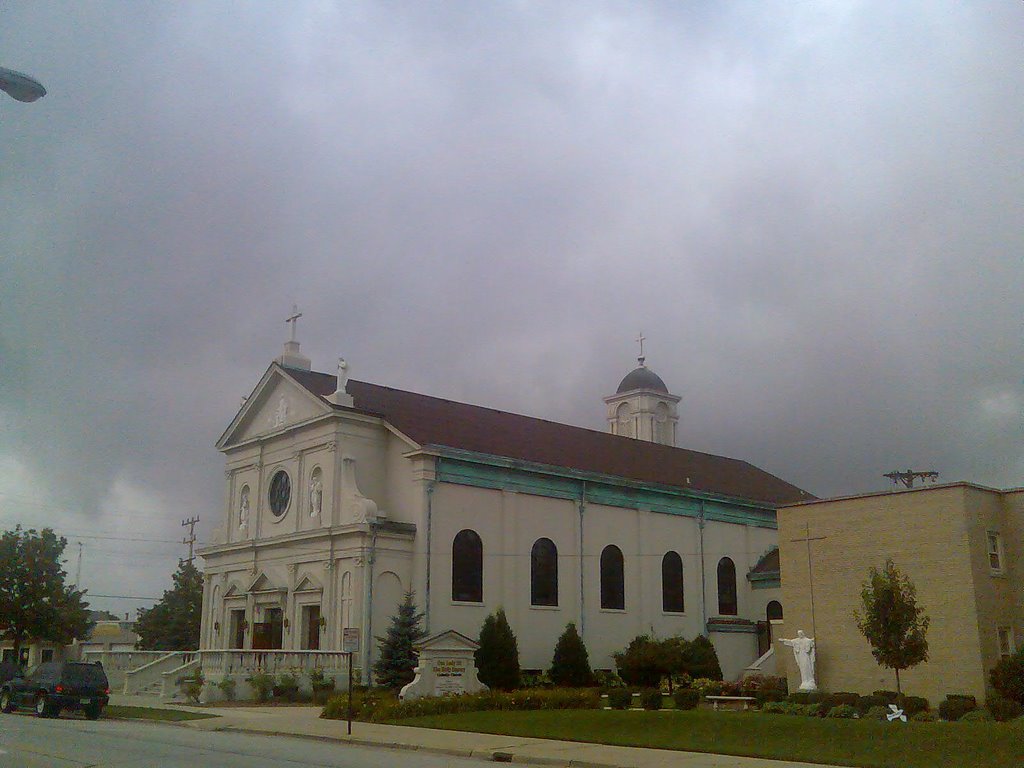
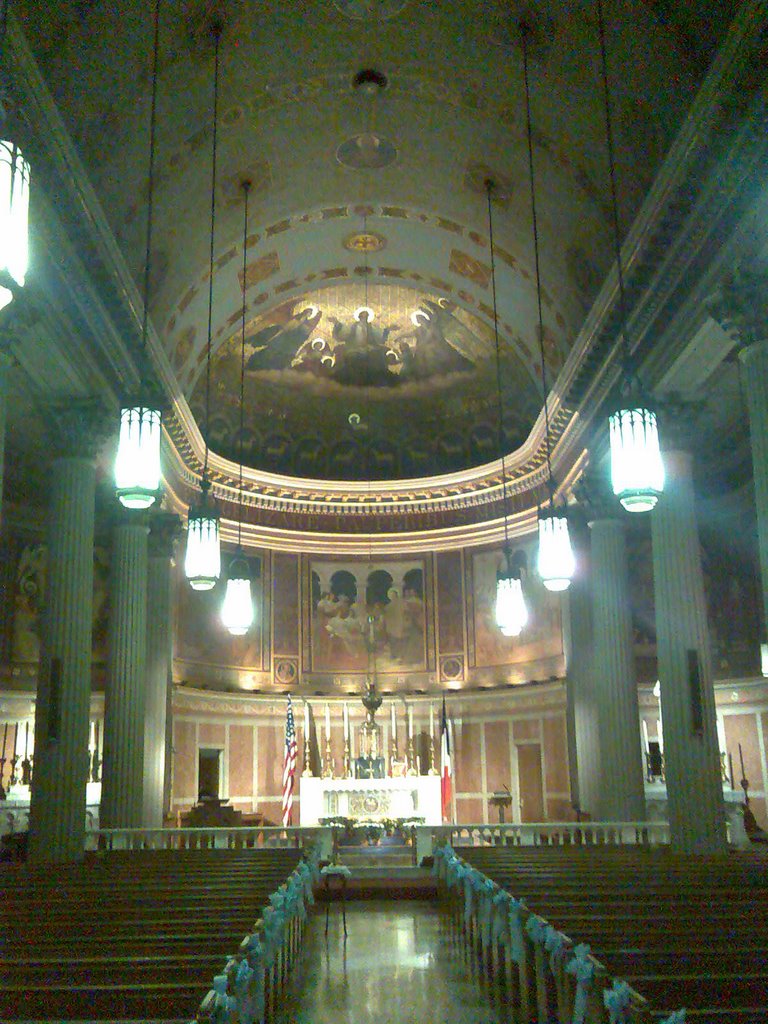
Mary Our Queen, Baltimore; a late work by Maginnis and Walsh, the architects of the Basilica in Washington.

Spots of elegantly executed polychromy brighten vaults and rafters not unlike Queen of All Saints. Many of the side-altars, tympana and the baldachino are, while very deco in inspiration, are nonetheless astonishingly well-crafted and quite intelligent in their iconography and their liturgical layout, especially considering the late date the project was undertaken. It would be instructive to compare it with another modern-historical hybrid of the same era and place, the massive National Shrine in DC. I've heard every conceivable opinion about the place, from undying devotion to unalloyed hatred, but that's a topic for another day, too.


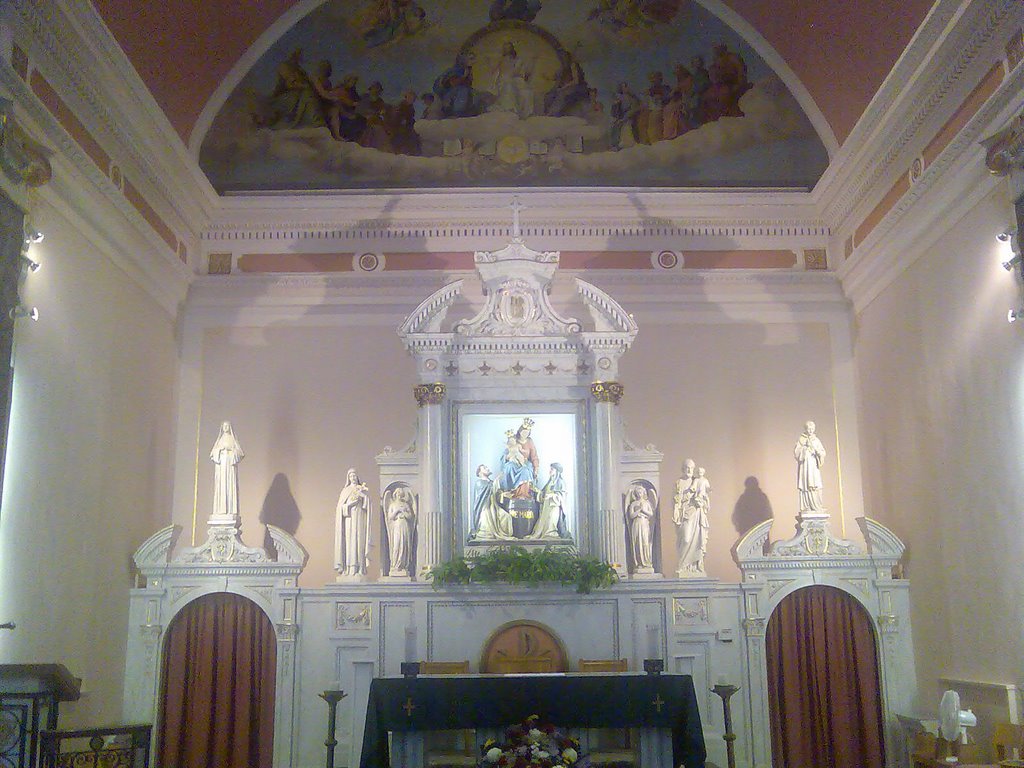
Lady Chapel, Mary Our Queen. A striking bit of liturgical sculpture. This photograph does not include the curious five-sided tester canopy above.

I've got broad tastes, I admit, but I also find it instructive to consider the pros and cons of every work I enjoy. The vigor of Gothic Deco is the strength, and quite apparent, but the con is that in many cases, the architect was trying a bit too hard to be unique. It is good to strive for innovation within the tradition, but pushing an idea too hard can really ruin it. Better to use a tried-and-true formula if you're not quite sure. In some instances, the inherent angularity provides an interesting new spin on Gothic attenuation, but not everything, especially when it comes to statuary, has to be hard-edged, neo-primitive, over-stylized. As with much art, and much of my favorite work by painters such as van Eyck, the right balance between nature and symbol is the key to successfully expressing the Divine. Now that the flush of novelty has long worn off, it is possible to reconsider such choices, and the whole movement, with the luxuriantly long hindsight of tradition.

Tuesday, September 12, 2006

Barat Reprieved! Simony Thwarted.


The Lake Forest Preservation Council has stopped demolition of the Chapel of Convent of the Sacred Heart at Barat College. Thanks to all that have assisted in the preservation of the chapel in their research, testimony, prayers, and general belligerence.

It is still possible for the Lake Forest City Council to overturn the Preservation ruling, but the momentum is against destruction and in favor of maintaining the Chapel as a community space.

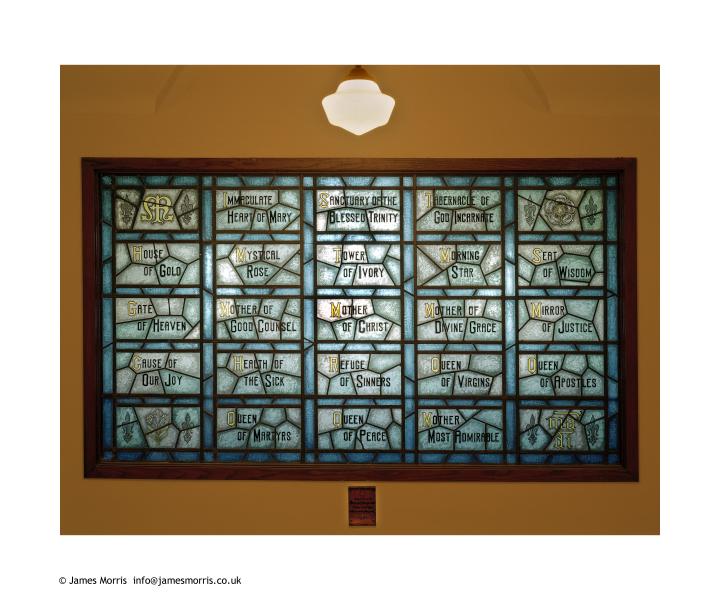
Shall we celebrate with The Litany of Mary?

Monday, September 11, 2006

Celebrated Author to Show Churches


Denis McNamara, the author of Heavenly City, will be giving a series of lectures this autumn. Denis gives a fine presentation and is a great tour guide. Come see a Founder of the Society of St. Barbara at:


Wed 9/13: Serra Club talk, Oak Park
Tuesday 10/10: Tour of Chicago's great churches with Miles Jesu
Monday 10/16: Tour of Chicago's Basilicas with Lumen Cordium Society

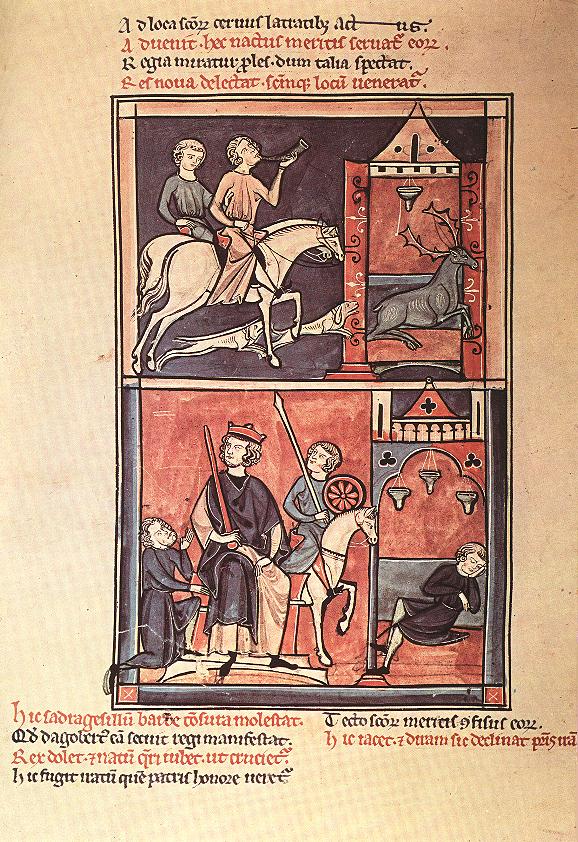
And the image? A tapesty of the life of St. Denis, of course.

St. Peter's Church New York City


In Remembrance:

"The body of the Rev. Mychal F. Judge offically the first casualty at the World Trade Center was brought to St. Peter's by firefighters on September 11, 2001 and laid before the altar"

In David W. Dunlap's "From Abyssinian to Zion"

Friday, September 08, 2006

Classical Church Architect Named to Top Post


From the Wall Street Journal:

The federal agency that builds courthouses, border stations and other federal buildings is set to name a new chief architect, a move that could usher in a return to a more traditional type of architecture in the government's $10 billion construction program.

The General Services Administration has selected Thomas Gordon Smith, an architect based in South Bend, Ind., according to several people who have been informed of the decision.

Mr. Smith is best known as a practitioner and promoter of traditional architecture that finds inspiration in Roman temples and palaces. His portfolio includes religious buildings in the Midwest, homes and the renovation of a building at the University of Notre Dame, where he served as chairman of the architecture school from 1989 to 1998. Mr. Smith said he is "delighted" about the appointment, but declined to comment further until the GSA makes an official announcement. A GSA spokeswoman declined to confirm the appointment.

The chief architect office is considered one of the most prestigious positions in the field of building design. It will oversee $1.6 billion of construction this fiscal year and has a long-range plan that includes around $10 billion of projects. Federal buildings are often the most prominent in town.

The previous chief architect, Edward A. Feiner, retired in January 2005, and the position has remained unfilled since. Through his "design excellence" program, Mr. Feiner recruited prominent as well as cutting-edge architects, including Richard Meier, Thom Mayne and Robert A.M. Stern. Mr. Feiner, now with architecture firm Skidmore, Owings & Merrill, declined to comment.

Many, though not all, of the projects under Mr. Feiner eschewed the classical tradition of white marble and columns common in pre-World War II federal architecture. In its place are buildings such as Mr. Mayne's futuristic San Francisco Federal Building, a metal-clad rectangular structure.

Mr. Stern, dean of the Yale School of Architecture and well known for embracing classical architectural traditions while tolerating modern ones, called Mr. Smith "a wonderful choice," though one that will "probably get a lot of people crazy." He says Mr. Smith has "a strong point of view, and that's great." Mr. Stern adds, "But he has the capacity to shift and manage his position without closing the door to others."

Others are worried federal architecture will lose its cutting-edge focus. Henry Smith-Miller, of Smith-Miller + Hawkinson, a New York firm, which designed a border station under construction in Champlain, N.Y., said he finds Mr. Smith's appointment "deeply troubling." He called Mr. Smith's traditional views "anti-progressive." It "picks up the imperial nature of Roman architecture, which was in service to the empire rather than service to democracy," says Mr. Smith-Miller.

Wednesday, September 06, 2006

It must be: Eugene Liebert


What should a classic prep school have for buildings?

Let's see, ivy-covered bricks, beautiful gothic architecture, a serene chapel with stunning stained glass windows and a coffeted ceiling, it could only be the Indian Community School of Milwaukee (and you were thinking St. Albans!), right in the heart of urban capital of Germanic Architecture in the USA.

The former Concordia College a Lutheran "synods finest educational institution" in its day, was built in 1900 by my current study, Eugene Liebert, the teutonic master. I have become so taken with Liebert's buildings that I drove up to Milwaukee today to search a few out, and was lucky enough to be welcomed by Jim Laux, the facilities manager, to the Indian Community School of Milwaukee.

Now supported by the Pottawatamie Tribe, the school is busy and well attended. Many fine buildings adorn the campus. The "Old Main" from Concordia is no longer in use, but its structure is in fine condition, and looks ready to be used again.

Three cheers for Eugene Liebert!

Monday, September 04, 2006

Ss. Cyril and Methodius


I may need a better index. Found this on an old Memory Card. I think it is St. Cyril and Methodius, Joseph Molitor's smaller, but ruined Chicago masterpiece. Can anyone verify?

Wednesday, August 30, 2006

What made Wisconsin Famous: Eugene Liebert


This could only happen in Chicago.

I wandered into Prairie Avenue Books today looking for a Dover Edition on Brick Patterms for the Restoration of St. Boniface (certainly a busy man, you might note), they had it in stock, and Beth, the manager knew exactly what I was looking for. I note that PA Books sells Sacred Architecture Journal, and it sells out each issue (they should order more, you might note). In the window of the store I noticed this book, Eugene Liebert: Teutonic Style in the American Midwest.

Big photos, brick-by-brick massing, commercial, residential and ecclesiastical architecture at its Wisconsin finest. Only available at Prairie Avenue Books. I also ran into Bill Hasbrouck, biographer of Louis Sullivan, whittling away at a new biography of Dwight Perkins (my neighbor if I were around 80 years ago) that Bill is writing.

Take a look at more Liebert. This is one of the outstanding, if unknown American Architects. Unknown, that is, outside of Prairie Avenue Books. At left is his Maria Angelorum Chapel in LaCrosse, Wisconsin, a Catholic Powerhouse if there ever was one.

Please patronize PA Book for this outstanding publication benefitting the Franciscan Sisters of Perpertual Adoration.

Weigel on the Heavenly City

Nice mention here from George Weigel

http://www.archden.org/dcr/news.php?e=381&s=3&a=8042

Sunday, August 27, 2006

The Churches and Chapels of Kenosha (4)


Just mentioned to my neighbor that I am travelling to Rome, as the neighbor was looking at the accompanying snapshots, stating that this church looked familiar from a trip to Rome. However Kenosha, Wisconsin, the most Italian city in Wisconsin is the home of Holy Rosary, a fine Parish with a Shrine to Our Lady of Pompeii.

An usher informed me that Holy Rosary while built in 1932, has spent over $3 Million on restoration since 2002, making the Church sparkle like new with some very fine restored carvings and painting. New stained glass along with some reclaimed from the closed St. Thomas Aquinas parish look in particularly good shape. Three Cheers for Holy Rosary, a true gem of a church!

Thursday, August 24, 2006

Pardon our Dust! Evanston Crushes School


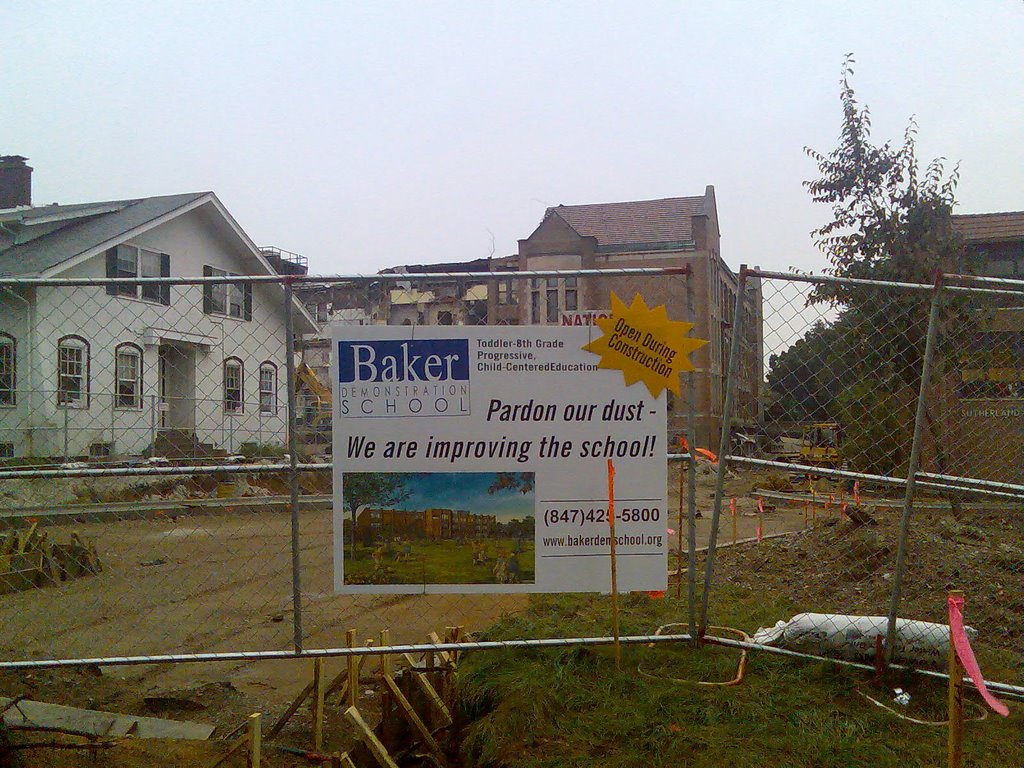
Evanston, the city with the "toughest" preservation ordinance in the USA, continues its race to the bottom in destruction of the Prairie-Gothic National Louis University today. Baker Demonstration School, the new owner of NLU, wisecracks, "Pardon our Dust" while cranes take down a 100 year old structure and its adjoining trees.

There is really not much use of any preservation ordinance, when structures such as these are taken down without a peep from the Evanston City Council. Add this to the threat to the Swedish Theological Seminary, and Henry Schlack's Evanston Civic Center, the demolition of the Covenant Methodist Church, and the demolition at Three Crowns Retirement home. It adds up to the most aggressive destruction of Architectural Heritage in the United States, outside of Hurricane Katrina.

Anyone for a nickname change from "Evanston: The Annointed City" to "Evanston: Condo's and Crackhouses"?

Wednesday, August 23, 2006

From the RSCJ

I am honored to present this statement from the Director of Schools for the RSCJ (Sacred Heart) to the Lake Forest Preservation Board this evening.


When the St. Madeliene Sophie Barat founded the Society of the Sacred Heart on November 21, 1800, she meant to develop educational institutions that would continue the tradition of intellectual development combined with a strong liturgical and spiritual connection to the Catholic Church.

The Barat Chapel is a built representation of Mother Barat's vision of connecting academic discipline and worship to help recover tradition and practices lost in the French Revolution. You see, many religious orders and their institutions were totally destroyed or driven abroad by radical decisions made during the revoultionary times. However, there was an upside to all this. The Society of The Sacred Heart began its mission in Chicago building and operating 2 schools near Holy Name Cathedral then


At Barat College in Lake Forest and Woodland Academy
At the Academy of the Sacred Heart on Sheridan Road in Chicago

These institutions are the direct result of the dedication of Saints such as Madeleine Sophie Barat to extending the mission of the Sacred Heart Sisters to the new world.

Today, we are able to discuss matters in a much more polite manner. We can evaluate the historical significance of a building versus the pressures of the real estate market. Yet, buildings such as the Chapel represent more than just wood, stone and terra cotta. They represent a connection to our past and an example to a future well worth maintaining, preserving and honoring our traditions, our Sacred Heart alumni, and our religious and architectural heritage.

As many of you know, Sacred Heart Schools on Sheridan Rd. is restoring its chapel. We would be interested in items from the Barat Chapel because of the strong connections between and among Sacred Heart schools around the world. Of particular interest to us is the window depicting St. Madeleine Sophie across from the entrance to the chapel. We would welcome other items and would honor them for their present and past significance to Sacred Heart students, families and alumnae." Sincerely,

Susan Maxwell,rscj
Religious of the Sacred Heart Sacred Heart SchoolsDirector of Schools


Let us pray that the gentle people of Lake Forest are less viscious than the French Revoultionaries towards Holy Mother Church.


Stop Simony! (2)


Now the Chicago Tribune has put one of their top reporters on the case of Barat Chapel. Quoting, the President of Landmarks Illinois, (and a good friend of the SSB)

"Barat Chapel is the most beautiful thing there. Why they would blow that away, I don't know," said David Bahlman, executive director of Landmarks Illinois, a Chicago preservation organization."

How about Susan Benjamin, who wrote the text for the excellent North Shore Chicago book?

North Shore historian Susan Benjamin described the chapel as "one of the most beautiful interior spaces on the North Shore, comparable to the Bahai temple."

OK, thanks Chicago Tribune for recognizing this. Now can the right minded people of Lake Forest, Lake and Cook County and the entire Chicago Community please show up with rosaries and pitchforks tonight to:

"to oppose the plan during a public hearing at 6:30 p.m. Wednesday of the City Council-appointed Lake Forest Historic Preservation Commission. The meeting will be at City Hall, 220 E. Deerpath Rd. The City Council must approve the plan before it is made final."

Tuesday, August 22, 2006

The Churches and Chapels of Kenosha (2)


Today featuring St. Elizabeth's. Brilliant copper green bowler hat capping the steeple. All Copper entryway. Fine stained glass. Altar has a few issues, as it looks like St. Elizabeth is a later add-on to what was previously a statue of St. George
St. Elizabeth's Parish was formed from the consolidation fo St. George and St. Casmir Parishes. The current building is the old St. George's, and has a German style. (Please correct me if I am mistaken). The entire parish complex is quite nice, and large, containing a grade school, large parish hall, and beautiful Georgian Rectory.


.

Thursday, August 17, 2006

Church Architecture as Heaven On Earth

The Liturgical Institute at Mundelein Seminary will be hosting a conference on Catholic church design entitled "Heaven on Earth: Theology and Design of Catholic Church Buildings" on October 25-27th, 2006. If you or someone you know is building or renovating a church and wants to learn how to re-connect with the architectural tradition of the Church, please recommend this conference to your pastor or architect. The web site tells the theme of the conference:

"In the great tradition, the Church has understood that a church building is an 'earthly heaven.' This sacramental building makes present the realities described by St. John in the Book of Revelation, where the Angel of the Temple gives a tour of heaven, revealing its golden, jewel-covered walls and angels and saints singing the praises of the Trinity (Rv 21:15). Always more than a meeting house, church buildings use art and architecture to make this hoped-for vision of our heavenly destiny knowable to the senses, filling churches with the “signs and symbols of heavenly realities” (Sacrosanctum Concilium, 123)."

Speakers include architect Ethan Anthony of HDB/Cram Ferguson, historian Denis McNamara, theologian David Fagerberg, church decorator Jeff Greene of Evergreene Studios, iconographer and theologian Fr. Thomas Loya, fundraiser Rita Perrett, architect William Buckingham of Keefe Associates, theologian Rev. Mark Daniel Kirby, O.Cist., and Christopher Carstens, Director of the Sacred Worship Office ofthe Diocese of La Crosse.

Beuatiful churhces are possible--come and find out how! www.liturgicalinstitute.org

Monday, August 14, 2006

Visit to St. Vincent de Paul's


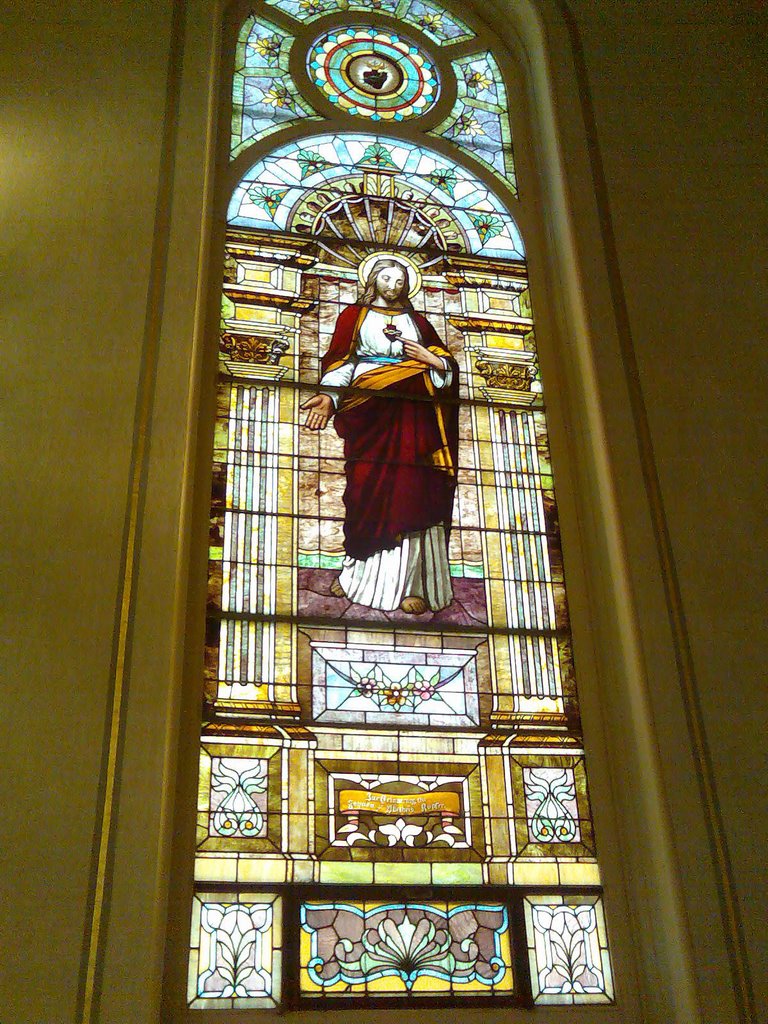
A hearty welcome in New York was enjoyed by the Society of St. Barbara, highlighted by a visit to St. Vincent de Paul, the historic French Catholic Parish in the booming Chelsea neighborhood of Manhattan. More details to come, but I thought I would post some snapshots of SVdP, to document the fine architectural heritage of the French Parish of New York City. Vive St. Vincent de Paul!

Thursday, August 10, 2006

Restoration 3: From Chicago to the Raj


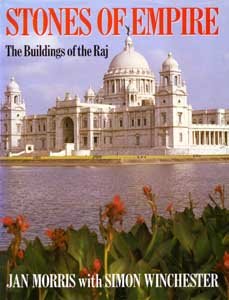
Take a look at the cover of Simon Winchester's book on the Architecture of the Raj. You may assume that the dandy uniforms, and classical architecture were the result of the grand English building tradition, muscularly showing itself over its empire. In that, you would not be entirely accurate.

The Glory of the Raj was mainly a marketing technique to show permanancy, power, and stability in a contested region, something that would be in perfect position on ....... State Street in Chicago. The Viceroy, Marquess Curzon, wasn't the designed of his Raj. Nor was the Raj concoted on Pall Mall in London. Rather the Raj was a design target of Lady Curzon, or Mary Leiter. Mary designed uniforms for the Indian Colonial Armies, commissioned buildings on a grand scale, and, yes ordered the restoration of the Taj Mahal.


But State Street? How is this connected. Daniel Burnham designed this store on State Street, as the grand temple of commerce. Burnham, a leading Swedenborgian (sort of the Opus Dei of Lutheranism, if Opus Dei was mostly devoted to beautiful craftwork), designed Marhall Fields, the largest and most powerful department store in the world, during the period of the Raj. And the 50% owner of Fields? Why yes, none other than Levi Leiter, father of Lady Curzon, and the onetime business partner of Potter Palmer and Marshall Fields himself. You see the pomp, grandeur and beauty of the English Empire, owes itself mightily to the daughter of the shopkeeper, and Chicago's own Mary Leiter. And now you know...


Restoration 1 How the Restoration Started Restoration 2-Welcome to Chicago IL Believe it or not, this story is going somewhere. I am reading The Geographers Library and I can assure you, the tale of Chicago Churches is tighter than Jon Fasman's bestseller. It is more lke Paul Harvey's rest of the story.

St James Chapel Update


St. James is looking very clean and pleasant. The broken window has been replaced with a tempororary (It will be fixed, with a exact match, I am guaranteed) placeholder.

The major work is complete. The project still needs to be paid for. The Altar looks awesome. Can any spot 1 very good thing that has changed on the altar this summer, and 2 very out of place items on the East End?

Sunday, August 06, 2006

Insignia 3: Vera Cruz, Alpha, Omega, Wapella


This from my home parish, St. Patrick's in Wapella. Never noticed it till I started collecting insignia. I am deducing that these windows are honoring Christ as the Alpha and Omega and St. Helena of the Cross (Emperor Constantine's mother) This morning my Aunt noted her grandfather purchased and dedicated the St. H window in 1902 and was as devoted to the true cross then, as she is today.

In reverence to and honor of the Chapel at Convent of the Sacred Heart

Please join with The Society of St. Barbara in saying this prayer daily, seeking God's providence for keeping his holy works in a sacramental condition. We pray for the Chapel at the Convent of the Sacred Heart at Barat College

"August Queen of Heaven, sovereign Mistress of the Angels, though, who from the beginning hast received from God the power and the mission to crush the head of Satan, we humbly implore thee, to send they holy legions so that under thy command and by they power, they may drive the devils away, everywhere fight them subduing their boldness, and thrust them down into the abyss.
Who is like unto God?
O good and tender Mother, thou willst always be our love and our hope.
O Mother of God, send thy holy Angels to defend me and drive far away from me the cruel enemy.

Holy Angels and Archangels defend us, keep us.
Amen."

Indulgenced by St. Pius X on 8 July 1908. Original text from the prayer
dictated by Our Lady to Fathe rCestac on 13 January 1864. via Institute of Christ the King

Thursday, August 03, 2006

New Hope in the Trials of St. Boniface


"The heathens fell upon them and murdered Boniface and fifty-two companions (according to some, thirty-seven)": I suppose when you are being attacked by heathens, 15 companions can make a real difference. At St. Boniface in Chicago, we could use at least 52 companions in getting Henry J. Schlacks faded masterpiece back into shape.

Right now, we have the Archdiocese, the Vicar General, the Landmarks Preservation Council of Illinois, the Mayor's Office, and some folks interested in bringing St. Boniface back as a working Church. Yes, not a condo, not an arts center, not a parking lot, but a Christian Church working to build its mission on the near northwest side of Chicago. The interior was opened today by the Archdiocese in an attempt to show the current mixed condition of the church. I can report:

1) The brick exterior is in fine shape.
2) The neighborhood is fairly safe, and property values are sky-high
3) The interior has some damage, but is structurally sound. There are broken windows.
4) The liturgical ornament is falling apart, but the glory of the liturgical paintings still shows through.
5) The floors and walls need a good cleaning. I wiped off the altar. It will need wiped off again before it is used.

Can we pull in 52 companions to bring this Church back to a shade of its former glory?

Thursday, July 27, 2006

Prayer for Cardinal George

Eternal God, in whom mercy is endless and the treasury of compassion --- inexhaustible, look kindly upon us and increase Your mercy in us, that in difficult moments we might not despair nor become despondent, but with great confidence submit ourselves to Your holy will, which is Love and Mercy itself.

Wednesday, July 26, 2006

Stop Simony! Restore Barat Chapel


The Vincentians at DePaul, in response to a minor dispute with the City of Lake Forest Illinois over a parking garage, decided that the 100 year tradition of Catholic Eduction in the pastoral wonderland setting of Lake Forest was not a worthy goal for their institution. Thus DePaul, dropped all support for the mission of the Sisters of the Sacred Heart, and sold the sacred structures of Barat Convent and College to a Presbyterian real-estate developer.

In this DePaul has shown a total disdain for education and the stewardship of Church resources, opting to take the quick buck rather than fufill their promise of providing a Catholic Education to the people of Chicago and Lake County.

A meeting tonight of the Lake Forest City Council, is one of the last opportunities for the public to chime in for the historical and ecclesiological preservation of the Chapel of the Convent of the Sacred Heart. The developer, has stated that he cannot make enough money without the desecration and demolition of the Chapel. I ask you, is Simony a good enough reason to destroy the Sacred Architecture of Chicago?

Sunday, July 23, 2006

More Insignias


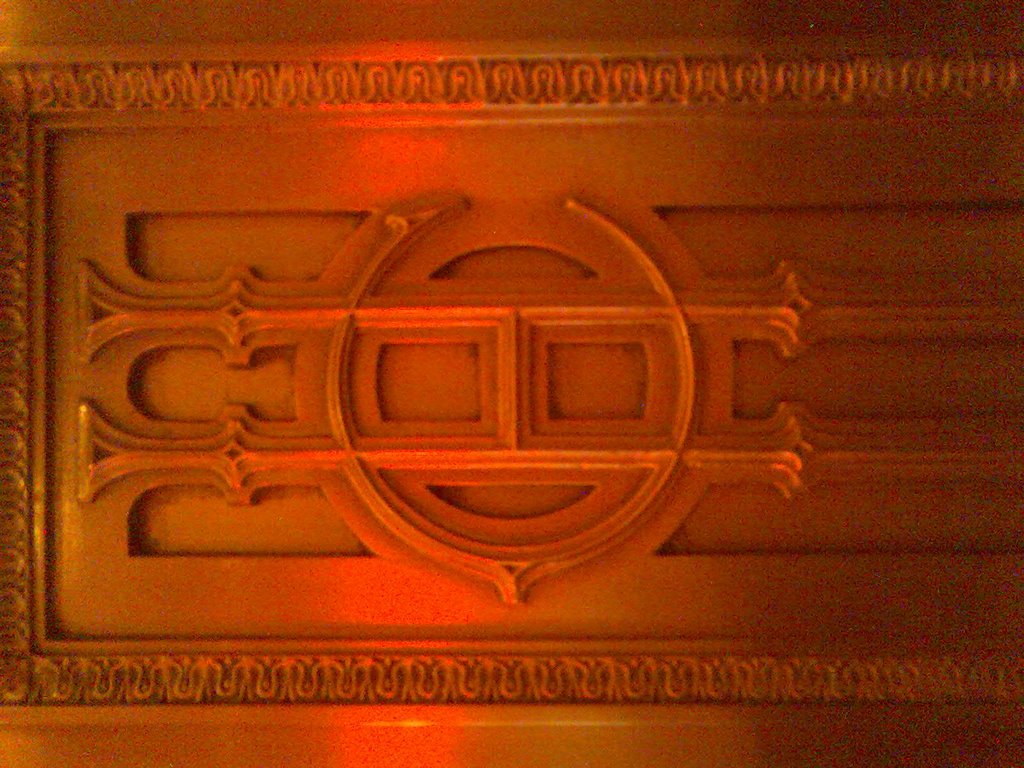
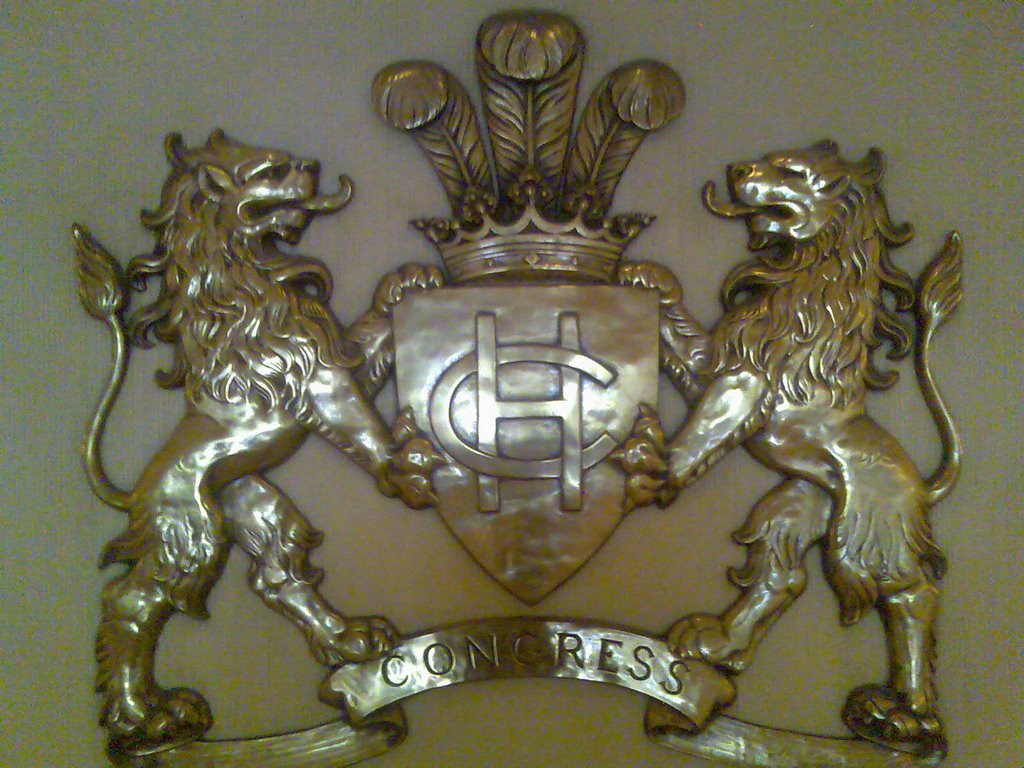
Here are some shots from the last few days of milling around Chicago, looking for insignias. The Congress Hotel has some gems, as it has avoided updating many of its architectural features. USML, is of course Mundelein Seminary, University of St. Mary's of the Lake. TC, is Samuel Insull's Tower Club, formerly his private apartment near the top of the Lyric Opera Building.

Saturday, July 22, 2006

Festa di Tutti i Santi Sunday August 27, 2006


Resolved,

Shall the Society of St. Barbara constuct a banner and march in procession for Festa di Tutti Santi at the Shrine of Our Lady of Pompeii? This from my friend Marcia at the Shrine:

"Include Your Saint Society in the Procession. The festa begins with a special Mass at 11:00 AM, followed by a procession of Italian saint societies carrying their banners around Arrigo Park.
If your saint society would like to participate, please call Marcia Piemonte at the Shrine office ate (312) 421-3757 or email marcia@ourladyofpompeii.org. We would be most honored to have your society join us!"

Anyone up for a March around Cabrini hospital and over to Taylor Steret, with perhaps some family fun and food afterwards?

Wednesday, July 19, 2006

Nifty Insignias-Where did they Go?


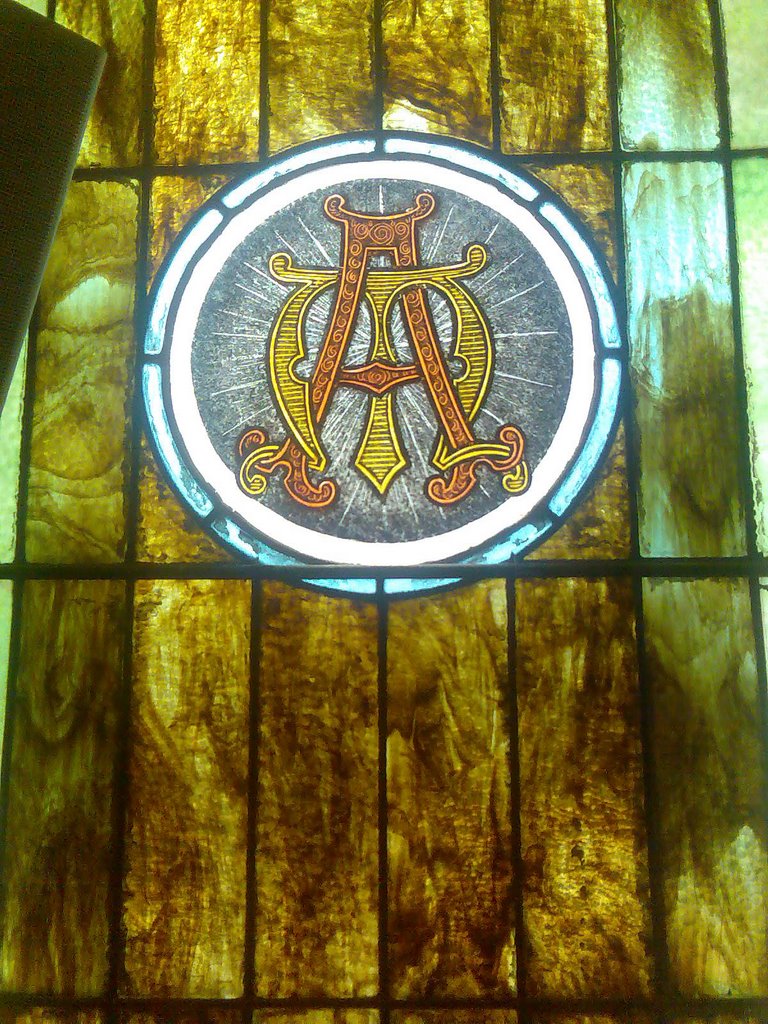
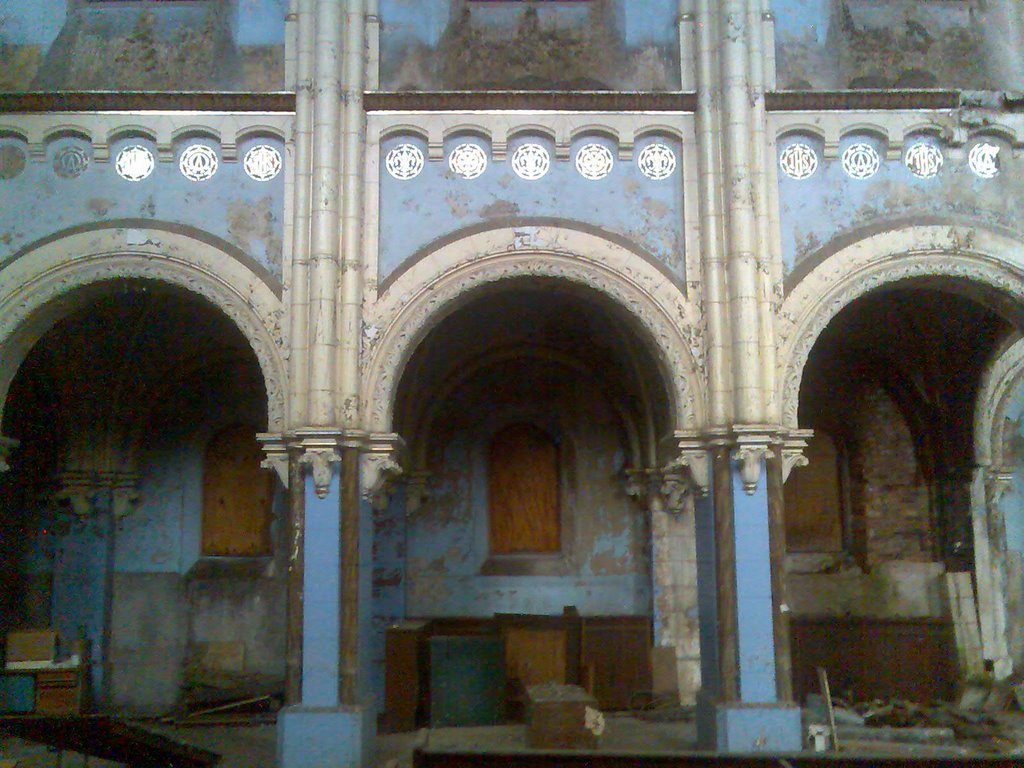
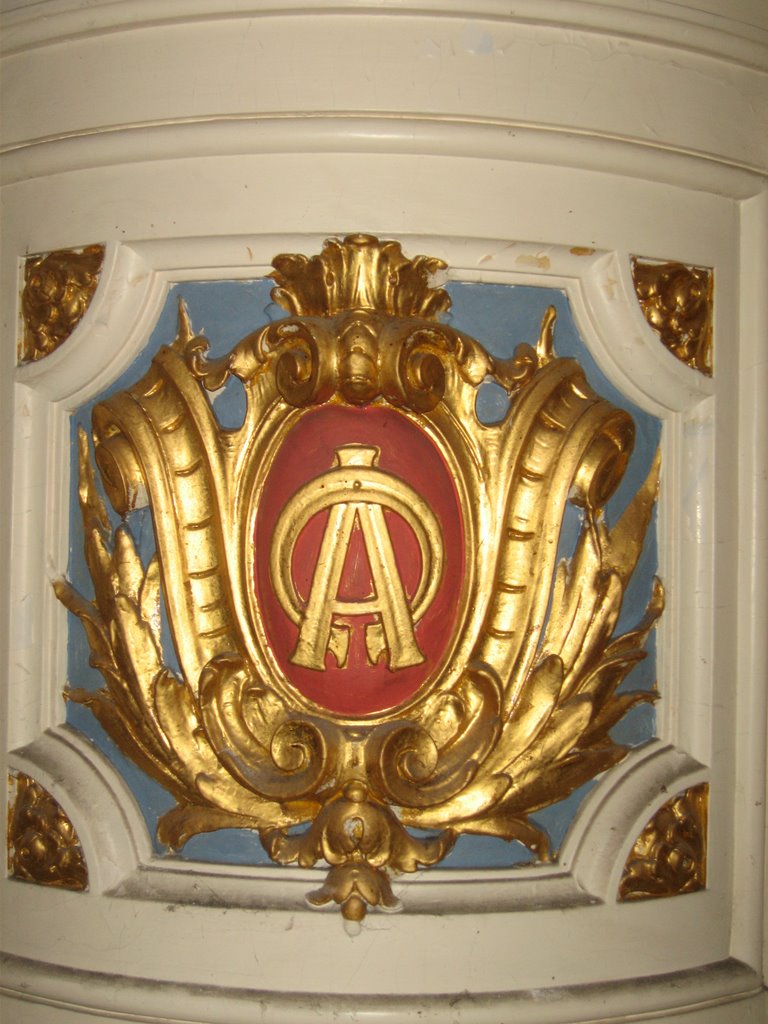
Anyone out there collect scripts and insignias from Religious and Fraternal Clubs? Thought so. I am guessing that about 50% of our readers do in fact. Take a look at these. They have a stature and importance greater than simple initials, gained soley by mise-en-scene, and thoughts of grandeur, very faded in the case of the Alpha and Omega from St. John of God, and the faded jewel of a hotel, the Congress Plaza, while the St. Louis Cardinals always are a contender, in art and in Baseball.

It there more on this? Is there a name for this artwork?

Tuesday, July 11, 2006

Century of Progress (or Not)


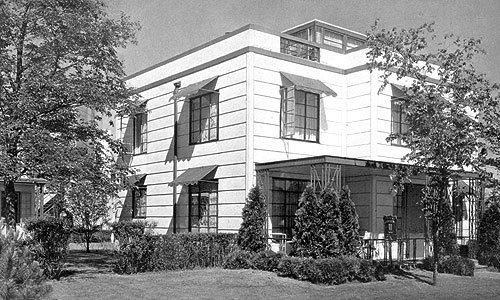
The Chicago Reader has a pleasant, if generally wrong, feature article about the modernist houses concocted for the 1933 Chicago World's Fair. The houses were constructed at Beverly Shores, Indiana to promote a resort development, that never really took off. The article is nicely documented, if overly complementary to the transient style of modernism.

The 1892 Worlds Fair produced the Spanish Pavillion, now La Rabida Hospital also pictured here, makes for a much finer presentation along Lake Michigan. I will take a current picture next time I am on the South Shore.

Wednesday, July 05, 2006

Did Burnham say "Make Middling Muddled Plans"?


No question about it, Betram Goodhue's 1918 Rockerfeller Chapel is a masterpiece of stone and concrete on Chicago's South Side. So today's announcement in the Tribune that Conrad Schmitt has been hired to restore Lee Lawrie and Ulric Ellerhausen's "sculptures" of St. Paul and St. Francis sounds like a splendid project, if that was what was actually happening.

But the sculptures are not being restored. The plaster models for sculptures are being re-stucktogether and displayed at eye level, so that visitors can get a better look at them. This isn't the worst news I have ever read. It is also a rather bland project for a major institution and a major source of funds in architectural restoration and preservation.
Take a look at the archaic chapel website. Minimal photos, javascript errors, inaccurate opening times, and a 6 month old newsletter, all indicative of the lack of maintenance and attention to inaccurate details symptomatic of a broken system. Visit the chapel, and note that deferred maintenance, inappropriate displays, and broken masonry are not only Catholic illnesses.

How to do this better? Well, what about actually sculpting the missing LIMESTONE figures, and getting them displayed as Goodham wanted? Sure, lets see the models, but finish the project as a first priority, given the 80 year lag between design and display. After all, shouldn't we get to see a sculpture of Martin Luther standing across from a sacred rendering of Woodrow Wilson? How about Rockerfeller nemisis Teddy Roosevelt staring down St. Augustine? And how about at least one COLOR photo where the camera is steady of the interior of the grand Chapel?

I will give U of C 1 point for keeping the doors open, and displaying the artists craft. But given the nearly unlimited resources of the University, let's make some bigger plans.